




How to Choose the Right Bulker Semi-Trailer?
2025-08-25
Livestock Tipper Semi-Trailer vs. Standard Tipper Semi-Trailer
2025-09-20
Have you ever wondered how the food that reaches our tables every day makes its way from distant farms and production facilities to cities and retail stores? Behind this vast and complex process lies a largely unseen yet indispensable force: truck drivers. They are the vital, often overlooked links that keep the nation’s food supply chain moving—without them, the entire system could face serious disruption.
Truck drivers do far more than simply transport vehicles or goods; they are responsible for delivering wheat, rice, fresh produce, meat, dairy products, and thousands of other essential food items. Without the around-the-clock efforts of these hardworking professionals, no food-processing facility could maintain continuous production, and no market could consistently provide fresh, wholesome products. Put simply, the sustainability of the nation’s food supply chain depends on the wheels of trucks and the dedicated hands of the drivers behind them.
When we consider the long journeys, challenging road conditions, demanding workloads, and prolonged separation from their families, it becomes clear that truck drivers’ role extends far beyond simply transporting goods. They are, in fact, fundamental pillars of food security in every society. This raises an important question: What would happen to the food supply chain if truck drivers were no longer on the roads?
Why Does Food Supply Chain Sustainability Matter?
Food supply chain sustainability refers to the capacity to ensure the continuous, safe, and reliable availability of food to the population throughout all stages, from production to final consumption. This is a critical concern for every country, as disruptions within the food supply chain can result in shortages, price inflation, and, in severe cases, broader social instability. Within this complex system, truck drivers play a critical and indispensable role in maintaining the continuity and resilience of food distribution.
Truck drivers are responsible for transporting a substantial share of agricultural and food commodities across the supply chain. Without their services, perishable products such as fruits and vegetables may deteriorate before reaching markets, essential protein-rich foods may fail to reach consumers, and the supply of raw materials to food-processing facilities may be disrupted. Even minor delays in the transportation of food commodities can trigger cascading effects throughout the supply chain, thereby undermining the stability and resilience of the national food system.
The role of truck drivers extends beyond transportation; they also play an essential role in safeguarding the quality and safety of food products. For instance, refrigerated-truck drivers are responsible for maintaining the appropriate temperature conditions for temperature-sensitive goods, where even a minor error can result in product spoilage and significant economic losses. This underscores the fact that truck drivers constitute an integral component of a country’s food security system, while their continued presence and reliable performance are essential to maintaining the sustainability and resilience of the food supply chain.
Beyond transportation itself, truck drivers play a vital role in time management and route optimization. The faster, more precise, and more reliable the transportation process, the more likely food products are to reach consumers fresh and safe. In essence, truck drivers serve as a backbone of the balance between supply and demand in domestic markets, and without their contribution, long-term planning for the sustainability and resilience of the food supply chain would be considerably more difficult.
Ultimately, the importance of truck drivers to the sustainability of the food supply chain extends far beyond the transportation of goods. They are skilled, experienced, and responsible professionals who, even under the most challenging road conditions, repeatedly ensure that adequate supplies of safe and wholesome food reach the population. This highlights the fact that protecting, training, and supporting truck drivers is not merely in their own interest; it is also essential to safeguarding the nation’s overall food security.
How Do Truck Drivers Ensure Access to Fresh Food?
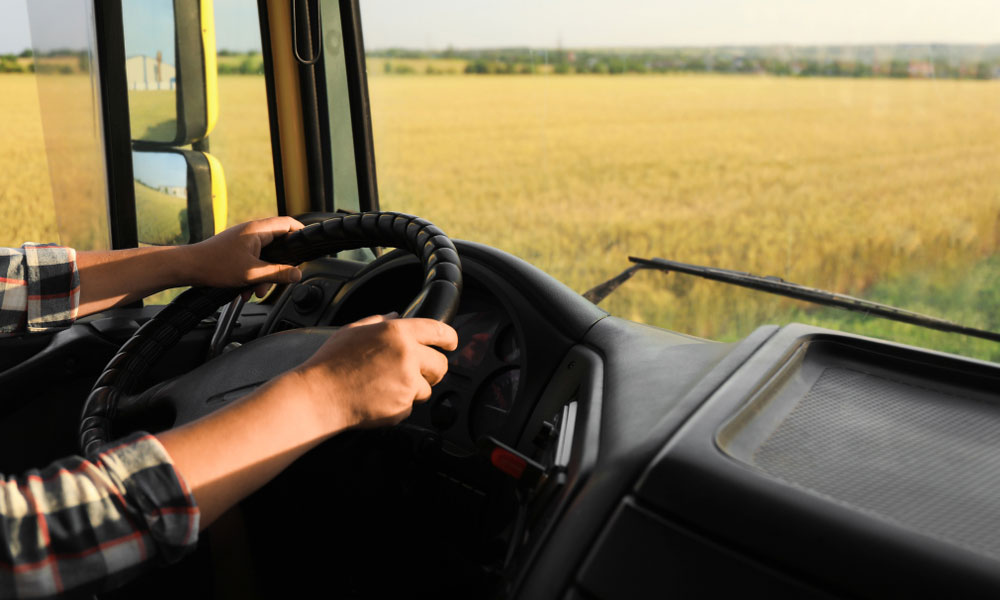
One of the most important responsibilities of truck drivers is to ensure continuous and reliable access to fresh food for the public. Without the daily efforts and careful planning of these essential workers, agricultural and protein-rich products could not be expected to reach markets safely and on time. By effectively managing delivery schedules, routes, and transportation conditions, truck drivers play a vital role in preserving the freshness and quality of food products throughout the supply chain.
The Vital Role of Truck Drivers in Transporting Agricultural Products
Agricultural products such as fruits, vegetables, grains, and legumes require timely and efficient transportation to preserve their freshness from harvest to market. By planning optimal routes and adhering to precise delivery schedules, truck drivers facilitate the rapid movement of these products from farms to distribution centers and urban markets.
On long-distance routes, truck drivers contribute significantly to preserving the quality and freshness of agricultural products by selecting efficient, low-congestion routes, strategically scheduling stops, and managing mandatory rest periods. Such careful coordination is essential to minimizing transit-related delays and preventing product deterioration. Without this level of diligence and operational responsibility, substantial quantities of food could spoil before reaching consumers, potentially disrupting the stability and efficiency of the broader food supply chain.
Certain food products, including meat, fish, dairy products, and leafy vegetables, are highly sensitive to temperature fluctuations, and even minor deviations from appropriate storage conditions can accelerate spoilage and compromise product safety. Refrigerated-truck drivers play a critical role in maintaining the required temperature ranges and controlling environmental conditions throughout transit, thereby ensuring that these perishable products remain safe and fresh until they reach their destination. Their role not only helps preserve product quality but also contributes to reducing food waste and mitigating the economic losses associated with spoilage.
In summary, truck drivers constitute a fundamental pillar of food freshness and safety throughout the national food supply chain. From the timely transportation of agricultural products from farms to the careful handling of temperature-sensitive goods, their efforts are essential to ensuring that households have reliable access to fresh and safe food. Without this critical contribution, a sustainable and resilient food system could not be effectively maintained.
What Challenges Do Truck Drivers Face in the National Food Supply Chain?

Working on the road involves far more for truck drivers than simply driving and transporting cargo. Every day, they face a range of challenges that can directly affect the sustainability and resilience of the food supply chain. Understanding these challenges is important not only for the drivers themselves but also for managers and policymakers, as it can help inform efforts to improve their working conditions and safeguard national food security.
1) Long-Distance Routes and Physical Fatigue
Truck drivers are frequently required to undertake long-distance journeys, often spanning hundreds of kilometers under demanding road and traffic conditions. Prolonged driving hours and sustained occupational pressures can contribute to significant physical fatigue, impaired concentration, and an elevated risk of road accidents. Such incidents, as well as transportation delays, can have cascading effects across the food supply chain, potentially disrupting distribution processes and compromising the timely availability of fresh food products in markets.
2) Limited Access to Roadside Amenities and Welfare Facilities
The lack of adequate rest areas, access to nutritious food, and essential facilities along transportation routes represents a significant challenge for truck drivers. Insufficient roadside amenities can adversely affect not only drivers’ health, safety, and operational performance but also the quality and reliability of food transportation. Fatigue and dehydration may impair drivers’ concentration and decision-making capacity, potentially compromising their ability to comply consistently with the required standards for the safe transportation, and storage of food products.
3) Adverse Weather Conditions and Road Safety Hazards

Adverse weather conditions, including heavy rainfall, snowfall, icy roads, and severe dust storms, can significantly increase the difficulty and risk associated with long-distance trucking. Drivers must exercise considerable experience, vigilance, and operational judgment to adapt to changing road conditions and effectively manage their cargo, thereby minimizing the risk of damage to food products during transit and preventing disruptions to the continuity of the national food supply chain.
4) Time Management and Occupational Workload
The timely delivery of fresh food products, particularly agricultural produce and dairy products, is critical to maintaining their quality and safety. Truck drivers must adhere to precise delivery schedules to ensure that food products reach their destinations under optimal conditions. Unexpected delays caused by traffic congestion, mechanical failures, or other operational disruptions can intensify drivers’ workload and occupational pressure, while simultaneously generating cascading effects throughout the broader food supply chain.
5) Handling and Transportation of Temperature-Sensitive Food Products
Temperature-sensitive food products, such as meat and dairy products, require stringent handling and carefully controlled conditions throughout transportation. Refrigerated-truck drivers face the ongoing challenge of maintaining prescribed temperature ranges and preventing product deterioration or spoilage. Even minor deviations in temperature control can result in substantial food waste and economic losses, while potentially compromising the continuity and reliability of the national food supply chain and, ultimately, undermining food security.
What Future Do Emerging Technologies Hold for Truck Drivers in the Food Industry?

With the rapid advancement of technology, the role of truck drivers within the food supply chain is evolving beyond the traditional transportation of goods. Emerging technologies are creating new opportunities to enhance road safety, minimize operational errors, and optimize transportation routes, while fundamentally transforming the future of food logistics and distribution.
Among the most significant technological advancements are intelligent fleet management systems and advanced GPS technologies. By leveraging these systems, truck drivers can identify more efficient and less congested routes, plan delivery schedules with greater precision, and minimize unnecessary delays. Consequently, agricultural products and other temperature-sensitive food commodities can reach their destinations more rapidly and under safer conditions, thereby contributing to the continuity, reliability, and resilience of the food supply chain.
In parallel, trucks equipped with advanced temperature- and humidity-control systems play a critical role in the transportation of temperature-sensitive food products. By leveraging these technologies, refrigerated-truck drivers can maintain optimal environmental conditions for the preservation of protein-rich foods, dairy products, and fresh produce throughout transit, thereby minimizing product deterioration and reducing food waste.
Emerging technologies, including autonomous trucks and intelligent cargo-management systems, are expected to progressively transform the role of truck drivers within the food logistics sector. Rather than replacing drivers entirely, these technologies are likely to augment their capabilities, reduce operational workload, and support more efficient decision-making. This shift could enable drivers to devote greater attention to critical aspects of food logistics, particularly the safety, quality, and reliability of the food supply chain.
Ultimately, emerging technologies offer significant opportunities to enhance the professional capabilities of truck drivers and improve the efficiency and resilience of the food supply chain. By effectively leveraging these technologies, drivers can operate more efficiently, safely, and reliably, thereby contributing to the timely delivery of fresh and safe food products and supporting reliable access to nutritious food for households.
Why Should Greater Attention Be Given to Truck Drivers?

Truck drivers do far more than transport agricultural products and food commodities from farms and processing facilities to markets and retail outlets; they constitute a fundamental pillar of the sustainability and resilience of the national food supply chain. In this sense, they can be regarded as the often-overlooked professionals who help keep food on the tables of households across the country. Without their continuous efforts, commitment, and sense of responsibility, reliable access to fresh and safe food could not be consistently maintained.
Through their experience, precision, and operational diligence, truck drivers help ensure that time- and temperature-sensitive products, including dairy products, meat, fish, and fresh produce, reach their destinations safely and in suitable condition. These efforts have a direct bearing on public health and overall quality of life. In practical terms, every timely and safe delivery contributes to maintaining the continuity and reliability of the food supply chain and, consequently, to safeguarding food security for millions of people.
Supporting truck drivers not only contributes to their health, well-being, and occupational safety but also strengthens the sustainability and resilience of the national food supply chain. Developing adequate transportation infrastructure, providing professional training, ensuring access to safe rest areas and essential roadside amenities, and improving insurance and legal protections can enable drivers to perform their duties more safely, effectively, and consistently while reducing the risk of disruptions to food transportation. Even targeted measures to support truck drivers can yield broader benefits by strengthening the continuity and reliability of food distribution and, ultimately, safeguarding national food security.
Ultimately, giving greater attention to truck drivers means recognizing and valuing the individuals who constitute a fundamental pillar of the national food supply chain. Through their sustained efforts and professional commitment, they help maintain food security across long-distance routes and under challenging road conditions. Their essential contribution therefore warrants greater recognition, institutional support, and comprehensive measures to protect their well-being and strengthen their capacity to sustain reliable food distribution.