





What Role Do Truck Drivers Play in Food Supply Chain Sustainability?
2025-08-27
Why Are Tipper Semi-Trailers the First Choice for Road Construction Projects?
2025-10-07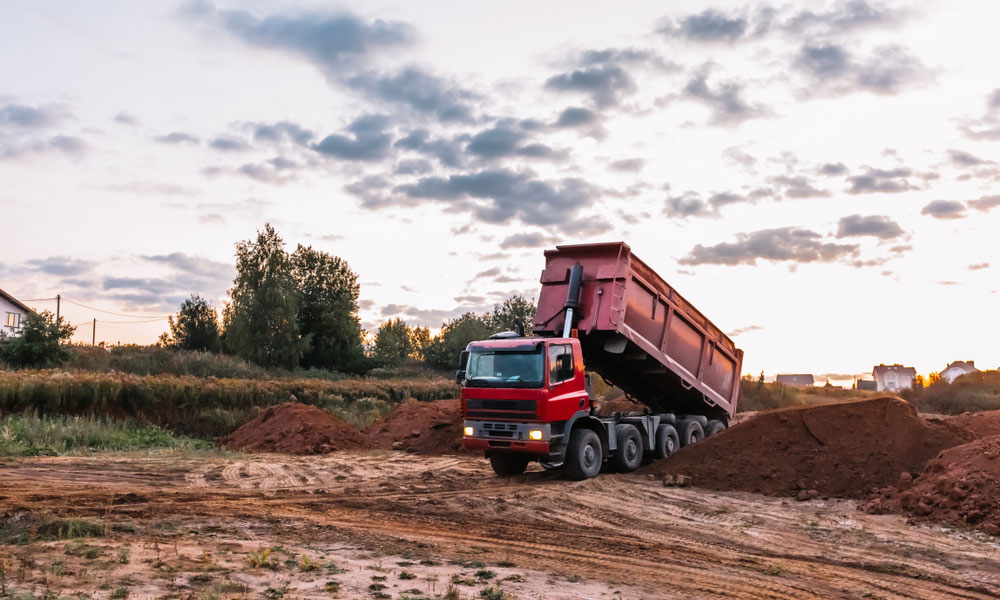
Livestock Tipper Semi-trailer: A Smart Choice for Heavy-Duty Haulage
In today’s fast-paced construction and industrial sectors, where efficiency and cost savings play a decisive role, choosing the right equipment and machinery has become more important than ever. Among the various types of heavy-duty transport equipment, the livestock-type tipper semi-trailer is recognized as a practical and efficient solution for demanding hauling operations. With its specialized design and high load-carrying capacity, this type of semi-trailer has earned a prominent place in road construction, mining, and the transportation of heavy materials.
If you are only familiar with standard tipper trucks, it is time to discover the distinct capabilities of livestock-type tipper semi-trailers. In this article, we explore what a livestock tipper semi-trailer is, how it differs from conventional models, and why professional drivers and contractors choose it for heavy-duty hauling operations.
What Is a Livestock Tipper Semi-trailer?
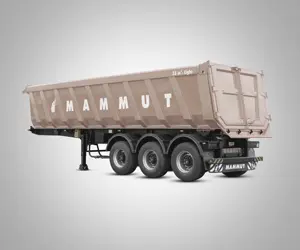
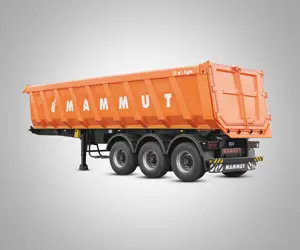
A livestock tipper semi-trailer is a type of tipping semi-trailer designed or equipped to transport bulk agricultural products and livestock feed, such as corn, soybeans, soybean meal, pelleted feed, animal bedding, and various types of grain, as well as other materials with similar handling characteristics. Unlike conventional construction tipper semi-trailers, this model may feature differences in its internal design, unloading system, and protective features, helping preserve the quality of agricultural cargo while facilitating efficient unloading and distribution.
Technical Specifications and Design Features of Livestock Tipper Semi-trailers
Smooth, Sloped Interior Surfaces: Designed to facilitate grain discharge and prevent cargo from getting stuck inside the trailer body.
Controlled Unloading System: Hatches, chutes, or multi-position doors that allow partial unloading or uniform feed distribution, unlike the rapid, complete discharge typically associated with construction tipper semi-trailers.
Protective Covers and Tarpaulins: Designed to prevent moisture, dust, and contaminants from entering the trailer and to minimize cargo loss during transit.
Wear-Resistant Floor Reinforcements: Since some feed materials and agricultural products can be abrasive or retain moisture, the trailer floor may be constructed with thicker, more durable steel plates to improve wear resistance and extend service life.
Precision Hydraulic Control: Allows operators to adjust the tipping angle and lifting speed of the trailer body for gradual, controlled unloading.
Additional Features: May include dedicated discharge outlets for silo loading, level-sensor connectors, and, in some models, weight or level sensors.
What Can a Livestock Tipper Semi-trailer Carry?
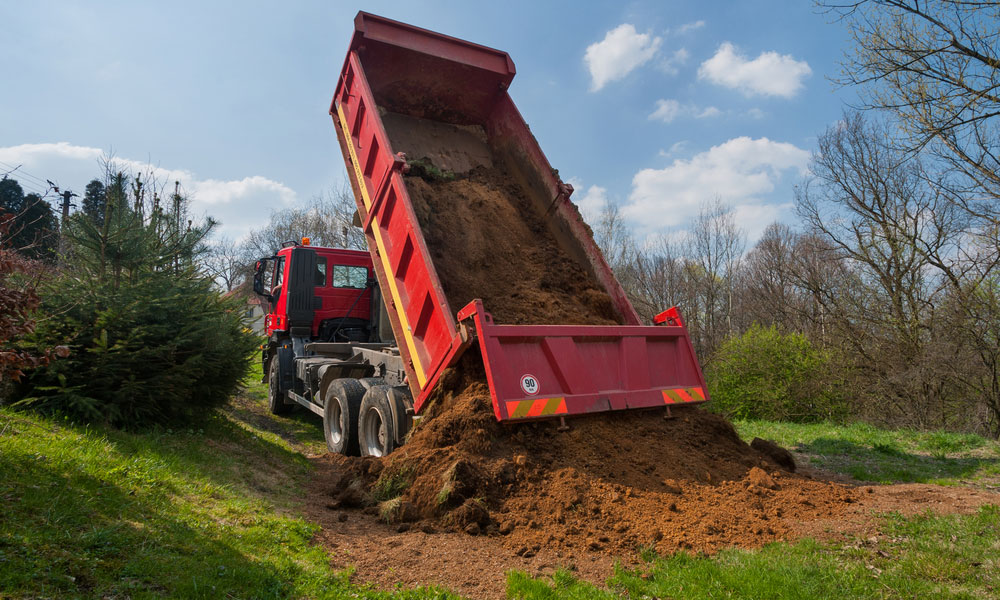
A livestock tipper semi-trailer is a specialized type of tipping semi-trailer used primarily in the agricultural and livestock industries. Its purpose-built body and controlled unloading system enable it to transport large volumes of bulk materials efficiently. The main cargoes carried by this type of semi-trailer include animal feed ingredients such as corn, soybean meal, bran, and various types of pelleted animal feed. Agricultural grains and oilseeds, including wheat, barley, rapeseed, and sunflower seeds, are also commonly transported using livestock tipper semi-trailers.
These semi-trailers also play an important role in transporting animal bedding materials, such as straw and wood shavings, chopped forage, and even dry manure and compost. In some cases, they can also be used for multiple purposes, including the transportation of lightweight, non-agricultural bulk materials such as lightweight soil and recyclable materials. Their combination of high load capacity, cargo protection, and ease of unloading makes livestock tipper semi-trailers an efficient and cost-effective solution for bulk transportation.
Key Design Features That Set Livestock Tipper Semi-trailers Apart
The design features of livestock tipper semi-trailers make them a suitable choice for transporting animal feed ingredients and agricultural products, setting them apart from conventional tipper semi-trailers. One of their key features is a smooth, sloped trailer floor, which facilitates the complete discharge of bulk materials such as grain and animal feed, minimizing residue left inside the body.
High, durable sidewalls provide greater load capacity and help prevent cargo spillage during transit. In addition, a controlled unloading system with specialized gates allows drivers to discharge cargo gradually and precisely—a feature not typically available on conventional tipper semi-trailers.
Other notable features include protective coverings, such as tarpaulins and sliding covers, which help prevent moisture and dust from entering the trailer and preserve cargo quality. In addition, a reinforced chassis and wear-resistant steel plates extend the trailer’s service life, making it well suited to transporting bulky and sensitive materials. These design features not only improve the efficiency of livestock tipper semi-trailers but also enhance cargo protection and operational safety, making them a practical alternative to conventional tipper semi-trailers.
How Does a Livestock Tipper Semi-trailer Differ from a Standard Tipper?
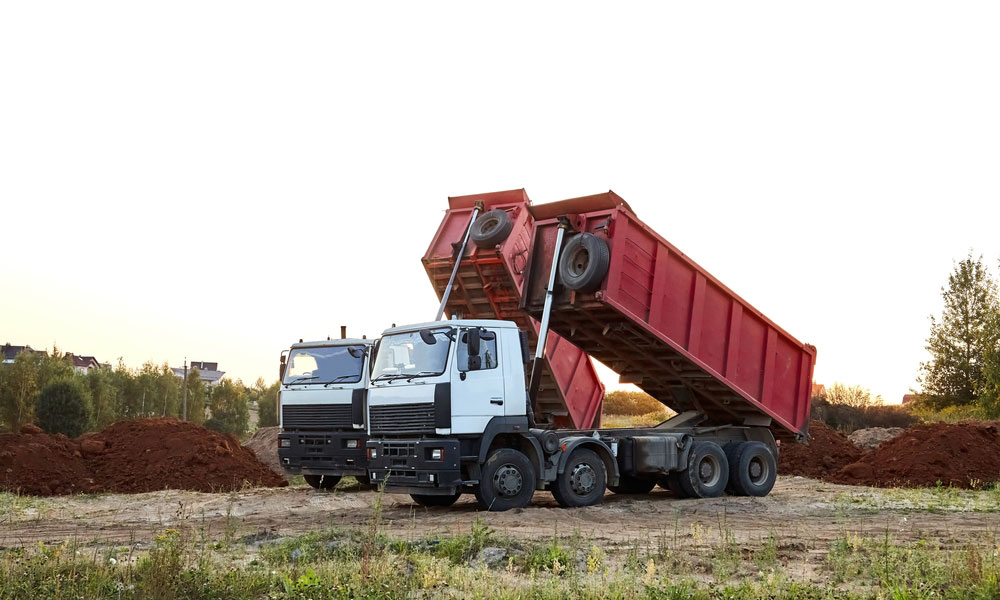
1. Purpose and Type of Cargo
Livestock Tipper Semi-trailer: Designed to transport bulk animal feed ingredients and agricultural products, such as corn, soybean meal, wheat, and barley.
Standard Tipper Semi-trailer: Suitable for transporting construction and mining materials, such as gravel, sand, soil, and stone.
2. Interior and Body Design
Livestock Tipper Semi-trailer: Features a smooth, sloped floor to facilitate complete grain discharge, along with taller, reinforced sidewalls to increase cargo capacity and help prevent spillage during transit.
Standard Tipper Semi-trailer: Designed primarily to withstand heavy and abrasive loads, with the floor and sidewalls generally optimized for durability rather than controlled unloading.
3. Unloading System
Livestock Tipper Semi-trailer: Equipped with controlled discharge gates and an advanced hydraulic system for gradual, uniform unloading.
Standard Tipper Semi-trailer: Designed for rapid, complete unloading, with limited control over the discharge rate.
4. Cargo Protection
Livestock Tipper Semi-trailer: Equipped with protective covers, such as tarpaulins or sliding covers, to prevent moisture and dust from entering and preserve cargo quality.
Standard Tipper Semi-trailer: Typically features fewer protective covers, with a primary focus on body strength and resistance to impact and cargo pressure.
5. Load Capacity, Chassis, and Durability
Livestock Tipper Semi-trailer: May feature a lightweight design to maximize usable cargo volume, with a durable chassis and floor resistant to moisture and abrasion from bulk granular materials.
Standard Tipper Semi-trailer: Features a reinforced chassis and floor designed to withstand heavy, abrasive loads, with less emphasis on controlled unloading or protecting sensitive cargo.
The Role of the Unloading System in Livestock Tipper Semi-trailers and How It Differs from Traditional Tipper Semi-trailers

The unloading system is one of the most important components of a livestock tipper semi-trailer, playing a vital role in preserving cargo quality and improving transport efficiency. It is designed to enable the controlled, gradual discharge of bulk materials such as grain, oilseed meal, and animal feed. Unlike traditional tipper semi-trailers, which primarily focus on rapidly unloading heavy loads and construction materials, livestock tipper semi-trailers use advanced hydraulic systems and specialized discharge gates to regulate unloading speed and angle. This allows cargo to be discharged evenly while minimizing the risk of product damage.
In addition, the unloading system of a livestock tipper semi-trailer allows precise control over the discharge rate, enabling the driver to release a specified amount of cargo at each stage and minimize product loss or damage. Traditional tipper semi-trailers generally lack this level of control, as unloading is typically carried out rapidly and in a single operation, making them less suitable for sensitive cargo such as livestock feed ingredients.
Overall, the advanced unloading system of a livestock tipper semi-trailer not only improves transport efficiency and operational speed but also helps preserve cargo quality, reduce waste, and enhance the safety of both the driver and the load. These key differences make livestock tipper semi-trailers an ideal choice for transporting sensitive bulk materials, while traditional tipper semi-trailers are primarily used for construction materials and heavy loads that require rapid unloading.
Advantages of Using Livestock Tipper Semi-trailers for Heavy-Duty Haulage
- Controlled, uniform unloading that minimizes the risk of cargo damage.
- Reduced cargo loss and waste when transporting bulk materials such as livestock feed ingredients and grain.
- High load capacity thanks to tall, durable trailer sidewalls.
- A smooth, sloped floor for easy, complete cargo discharge.
- An advanced hydraulic system for adjusting the unloading angle and speed.
- Protective covers, such as tarpaulins or sliding covers, to prevent moisture and dust from entering.
- A reinforced chassis and wear-resistant steel plates for enhanced durability and a longer service life.
- Enhanced driver and cargo safety during transportation and unloading.
- Suitable for transporting a wide range of sensitive bulk materials in large volumes and at high payload weights.
- A cost-effective, practical choice for industrial and agricultural transportation.
Why Are Livestock Tipper Semi-trailers Shaping the Future of Construction Transport?

Thanks to its intelligent design and distinctive features, the livestock tipper semi-trailer plays an important role in shaping the future of construction transport. Its controlled unloading system and advanced hydraulics enable the precise, uniform discharge of bulk materials—an essential advantage for improving efficiency and reducing waste on construction sites. In addition, its durable body, sloped floor, and protective covers help ensure the safe transportation of bulky and sensitive materials while minimizing the risk of cargo damage.
Its ability to carry large volumes of cargo, minimize material loss, and improve unloading efficiency makes the livestock tipper semi-trailer valuable not only for transporting livestock feed and agricultural products but also for construction and road-building projects. As a practical and efficient transport solution, it is helping shape the future of industrial and construction haulage by enhancing productivity and improving operational safety.