


Why LPG Trucks Are Essential for Liquefied Gas Transportation: Key Benefits and Technologies
2025-12-08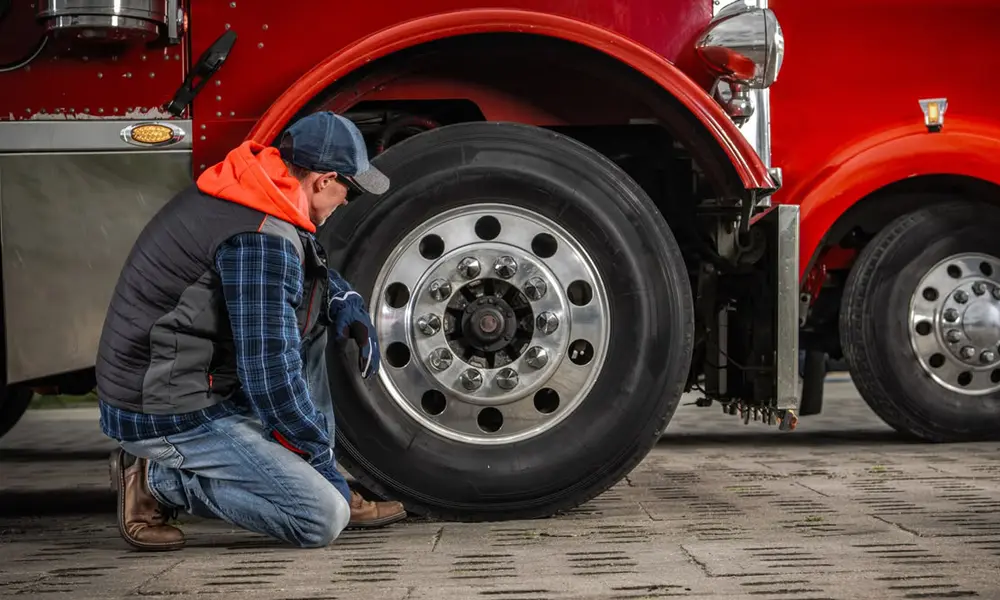
How to Maintain Semi-Trailer Tires: A Complete Guide to Inspection, Repair, and Replacement
In any transport fleet, semi-trailer tires may seem like simple components, but they have a direct impact on safety, fuel consumption, vehicle stability, and operating costs. An underinflated, worn, or damaged tire is more than just a repair or replacement expense. It can increase fuel consumption, cause uneven tire wear, lead to unexpected semi-trailer downtime, and even result in accidents.
Semi-trailer tire maintenance should go far beyond replacing tires when they wear out. Proper care begins with selecting the right tires and continues with regular checks of inflation pressure, tread depth, sidewall condition, wear patterns, and loading conditions. In this article, we’ll cover 10 practical tips to help extend semi-trailer tire life, reduce wear and tear, and manage fleet operating costs more effectively.
1) Pay Close Attention to Tire Pressure
One of the most important aspects of semi-trailer tire maintenance is maintaining the correct inflation pressure. When a tire is underinflated, more of its surface comes into contact with the road, generating excess heat. This can lead to higher fuel consumption, faster tread wear, and damage to the tire’s internal structure.
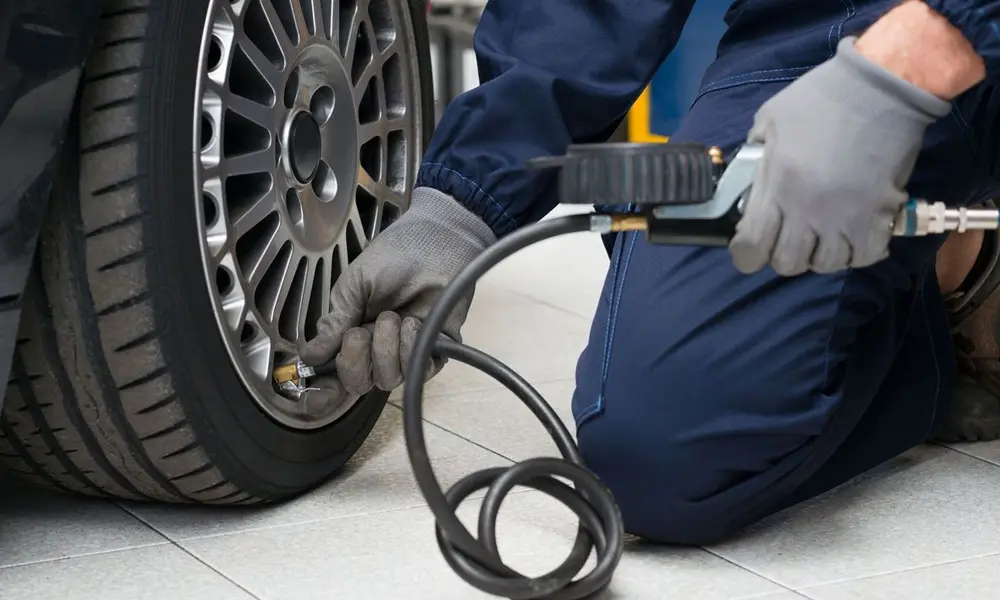
On the other hand, overinflation can also cause problems. It reduces the tire’s contact area with the road and may accelerate wear in the center of the tread. That’s why tire pressure should never be set based on guesswork or personal experience. The correct pressure should be determined according to the tire specifications, axle configuration, load weight, and manufacturer’s recommendations, then checked regularly.
Important tip: Check tire pressure when the tires are cold. Heat generated during driving naturally increases tire pressure, which can lead to inaccurate readings.
2) Don’t Rely on Visual Checks Alone
A tire may look perfectly fine on the outside while already showing early signs of damage or wear.
When inspecting semi-trailer tires, check the following:
- Sidewall Cracks
- Cuts or Tears
- Bulges
- Embedded Foreign Objects
- Damage to the Rim and Valve
- Abnormal Tread Wear
- Deformation or Impact Damage
All of these areas should be checked regularly. A quick visual inspection takes very little time, yet it can prevent a minor issue from developing into a costly failure.
3) Tread Wear Patterns Tell a Story
One common mistake is focusing only on whether the tread has worn down completely. In fact, the way a tire wears can reveal valuable information about the condition of the semi-trailer and its suspension system.
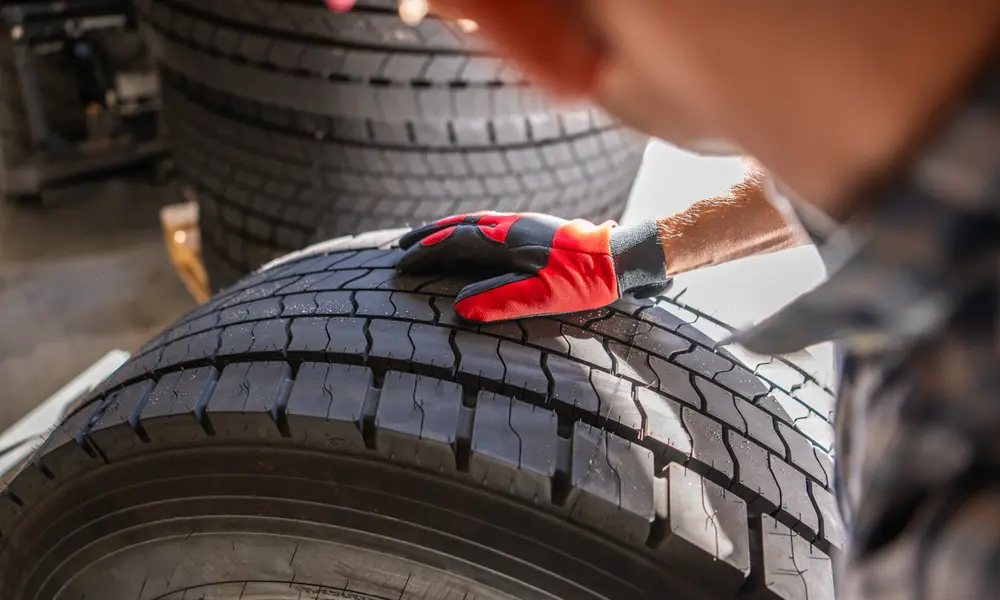
For example, uneven or abnormal tread wear may indicate incorrect wheel alignment, suspension problems, improper tire pressure, or other alignment-related issues. Simply put, if a tire wears out sooner than expected, the first question shouldn’t always be, “Which replacement tire should we buy?”
Sometimes, the right question is: What caused this tire to wear out sooner than expected?
This approach can mean the difference between frequent tire replacements and effective fleet cost management.
4) Check Tread Depth Regularly
Tire tread plays a crucial role in maintaining traction and ensuring reliable performance. As tread depth decreases, a tire’s ability to handle different road conditions can also be affected. That’s why checking tread depth should be a regular part of any semi-trailer tire maintenance program.
However, you shouldn’t rely on a single fixed tread-depth threshold for every tire. Tire specifications, regulations governing heavy-duty vehicles, and operating conditions should all be considered when deciding whether a tire needs to be replaced. If tread wear is uneven across the tire, it’s also best to identify and address the underlying cause before installing a new one.
5) Proper Loading Is Part of Tire Maintenance
Semi-trailer tires do more than support the trailer’s own weight; the cargo load also directly affects their performance.
Overloading or improper load distribution can place additional stress on the axles, suspension system, and tires. Under these conditions, even a high-quality tire may wear out sooner than expected. This means semi-trailer tire maintenance isn’t limited to the workshop or periods when the vehicle is parked. Proper loading is also an essential part of tire care. Cargo should always be loaded within the vehicle’s rated capacity and distributed evenly across the axles.
6) Don’t Overlook Wheel Alignment
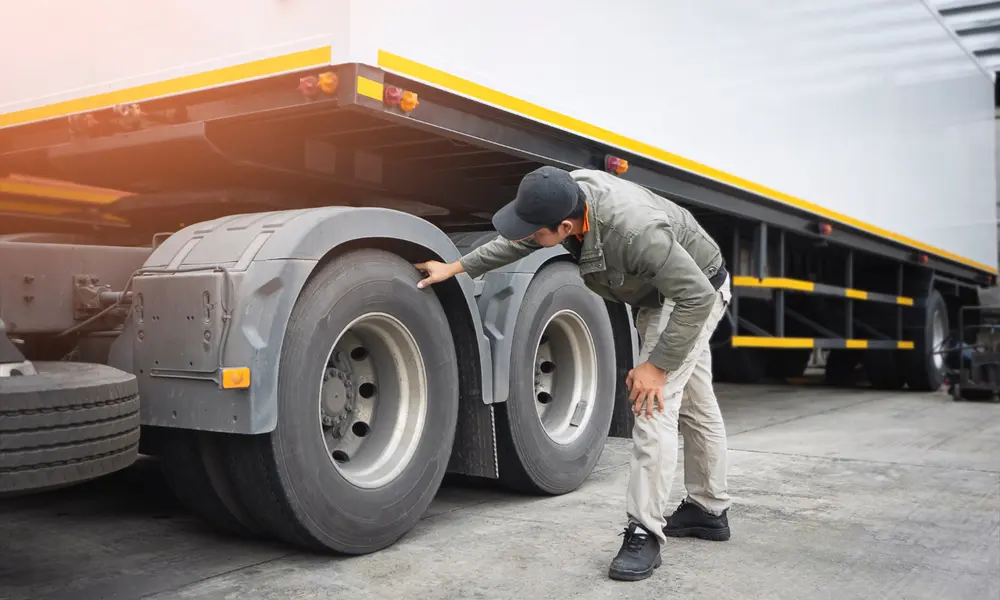
If a semi-trailer’s wheels are not properly aligned, the tires may travel at an incorrect angle instead of rolling smoothly along the road. This can lead to abnormal tire wear and a shorter service life.
If you notice that one tire is wearing faster or more unevenly than the others, inspecting the suspension system, axles, and wheel alignment may be essential. In a high-mileage fleet, these checks can help prevent repeated tire replacement costs.
7) Store Tires Under Proper Conditions
Spare tires and those intended for future use can deteriorate before installation if they are stored improperly. Tire storage areas should, as far as possible, be:
- Dry and protected from moisture;
- Protected from prolonged exposure to direct sunlight;
- Kept away from heat sources;
- Protected from contact with chemicals and oils;
- Stored in a way that prevents tire deformation.
Proper storage is an essential part of the tire care process, which begins with selecting the right tire and continues throughout its service life.
8) Inspect Tires on the Same Axle Carefully

On a semi-trailer, matching the tires fitted to the same axle is particularly important. Significant differences in tire condition can affect load distribution, force transfer, and wear patterns.
When replacing tires, carefully consider their specifications, size, intended application, and condition rather than making a decision based solely on the purchase price. A cheaper tire may seem like a cost-saving option initially, but a shorter service life or uneven wear can ultimately increase overall fleet operating costs.
9) Perform a Quick Tire Check Before Every Trip
One of the most effective ways to maintain semi-trailer tires is to establish a simple pre-trip inspection routine. During a quick check, the driver can inspect the following:
Tire Pressure → Overall Condition → Tread Depth → Sidewalls → Foreign Objects → Rim and Valve Condition
This check is not intended to replace professional servicing. Its purpose is to identify visible problems before setting off. For fleets covering long distances, just a few minutes of inspection can help prevent hours of unexpected downtime on the road—or even longer delays.
10) Don’t Base Tire Replacement Decisions on a Single Factor
A tire isn’t necessarily in ideal condition simply because it still has tread remaining. Its age, the extent and pattern of wear, visible damage, operating conditions, mileage, road types, and the manufacturer’s recommendations should all be considered when assessing its condition and deciding whether it needs to be replaced.
On the other hand, if a tire has sustained serious damage, continuing to use it simply to postpone replacement costs is not a sound decision. Ultimately, safety must take priority over short-term savings.
Semi-Trailer Tire Maintenance: Not an Expense, but a Cost-Saving Strategy

In fleet management, maintenance is sometimes viewed as an additional expense. However, preventive maintenance can have the opposite effect. Regular tire inspections help identify problems early, prevent abnormal wear, reduce the risk of roadside breakdowns, and extend tire service life.
That’s why it’s better to monitor tire condition continuously rather than wait for a tire to fail. A simple semi-trailer tire maintenance program can be divided into three levels:
Daily: Visual inspections and checks for any unusual signs.
Periodic: Check tire pressure, tread depth, and wear patterns.
During professional servicing: Inspect wheel alignment, the suspension system, axles, and other factors that affect tire performance.
This approach offers an important advantage: tires are no longer treated as standalone consumable parts, but as an integral part of the fleet’s safety and cost management system.
Semi-trailer tires are the vehicle’s point of contact with the road, so their quality and condition directly affect safety and performance. Effective semi-trailer tire maintenance isn’t achieved through a single action. Maintaining the correct tire pressure, inspecting tread and sidewalls, identifying abnormal wear, ensuring proper loading, checking wheel alignment, and choosing the right time for replacement are all essential parts of a comprehensive maintenance program.
For a professional fleet, the goal isn’t simply to delay tire replacement. It’s to ensure that every tire delivers the best possible performance for as long as it remains technically sound and safe to use. Ultimately, proper tire maintenance turns an unavoidable expense into a manageable cost—an approach that helps protect drivers and can reduce overall fleet operating costs.


