




Top 10 Heavy-Duty Trailers for Hauling Large Loads in 2025
2025-05-18
What Role Do Truck Drivers Play in Food Supply Chain Sustainability?
2025-08-27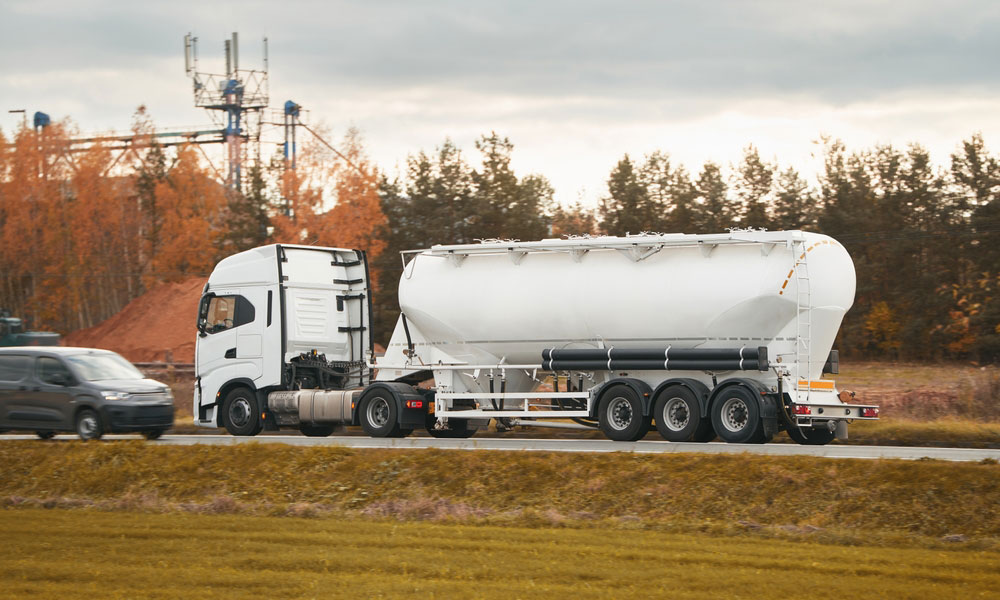
When it comes to transporting bulk materials such as cement, wheat, and minerals, bulk tanker trailers play a vital role in the transport industry. However, choosing the right type of trailer is often overlooked. Making the right choice can help prevent technical problems and unexpected costs while directly improving the speed and efficiency of cargo transportation.
Choosing the right bulk tanker trailer can make a significant difference to a business’s profitability. Efficient loading and unloading, lower fuel consumption, and a longer equipment lifespan all depend on making an informed choice. Simply put, the better a trailer matches the cargo and transport conditions, the greater the benefits for both the truck operator and the cargo owner.
Choosing the wrong bulk tanker trailer can do more than reduce efficiency. It can lead to higher maintenance costs, delivery delays, and even safety risks. In a competitive market, choosing the right trailer can give your business a real advantage. Before making a purchase, consider key factors such as capacity, build quality, unloading systems, and after-sales service. Let’s take a closer look at what matters most when buying a bulk tanker trailer.
What Is a Bulker Semi-Trailer Used For?
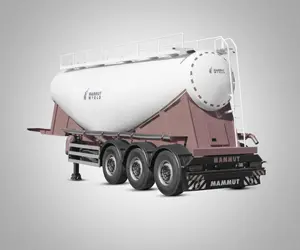
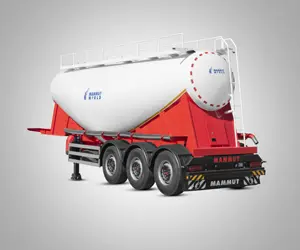
A bulker semi-trailer is one of the most widely used trailer types in the transport industry, specially designed to carry bulk and powdered materials. It typically features a large, durable tank that can hold substantial quantities of fine-grained and lightweight cargo. Its sealed structure helps keep moisture out and protects the load throughout the journey, ensuring it reaches its destination in safe condition.
Bulker semi-trailers are primarily used to transport bulk cement, which requires a fully enclosed tank that protects the load from moisture. However, their uses go far beyond cement. Many industries rely on these trailers to transport flour, grain, sugar, mineral powders, and even animal feed. This versatility makes the bulker semi-trailer a practical solution for a wide range of transportation needs across the industrial and agricultural sectors.
One of the key advantages of a bulker semi-trailer is its efficient unloading system. Compressed-air discharge systems and specialized mechanisms allow cargo to be unloaded quickly, with minimal manual labor. This not only speeds up transport operations but also significantly reduces operating costs.
Simply put, any business that handles bulk or powdered materials may eventually need a bulker semi-trailer. It offers efficient cargo handling and plays an important role in improving transport productivity and profitability.
What to Consider When Buying a Bulker Semi-Trailer?
1) Payload Capacity
Payload capacity is one of the most important factors to consider when buying a bulker semi-trailer. Some models are designed for lighter materials, such as flour and grain, while others are built to carry heavier loads, such as cement and minerals. Choosing the right capacity directly affects fuel costs, the number of trips required, and overall efficiency. If you choose a trailer with more capacity than you need, you may pay more upfront without improving productivity. On the other hand, a trailer with insufficient capacity may force you to make more trips, increasing operating costs.
2) Body and Chassis Materials: Durability, Weight, and Strength
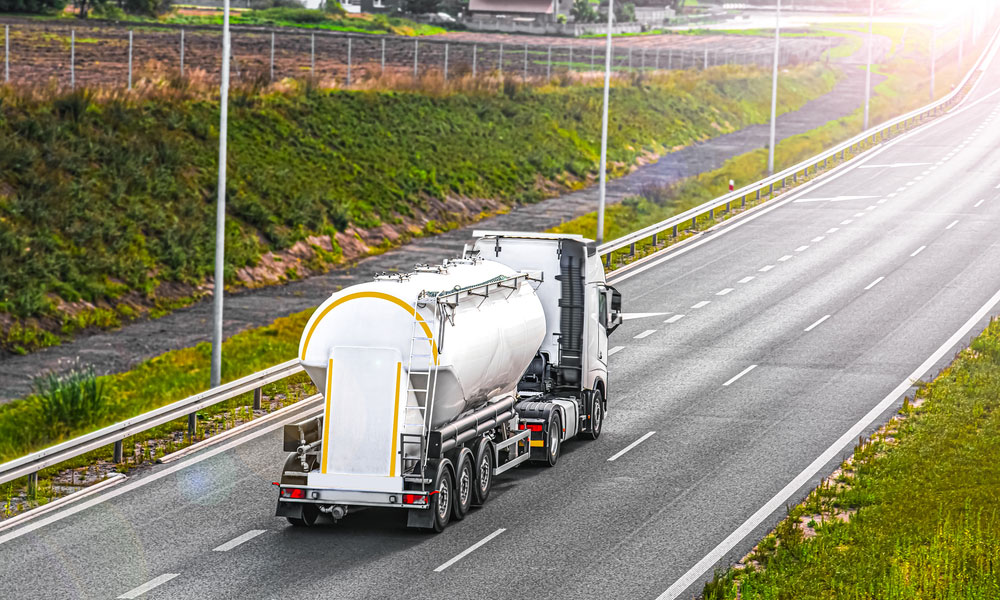
The materials used for a bulker semi-trailer’s body and chassis play a vital role in its durability and performance. High-strength steel or lightweight, corrosion-resistant alloys can improve service life and protect against corrosion. The trailer’s overall weight matters, too: a lighter structure allows for a higher payload within legal weight limits. That’s why it’s important to choose a bulker semi-trailer that strikes the right balance between strength and weight.
3) Unloading System: Greater Speed and Efficiency
One of the key features to consider when buying a bulker semi-trailer is its unloading system. These trailers generally use one of two main systems: pneumatic (compressed air) or hydraulic.
Pneumatic systems are commonly used to transport cement and flour, offering cleaner and safer unloading. Hydraulic systems, on the other hand, are better suited to heavier materials and applications where faster unloading is a priority. Choosing the right system can reduce operating costs and minimize loading and unloading times for a bulker semi-trailer.
4) Axles and Suspension: Driving Comfort and Safety
Strong axles and a well-designed suspension system not only help protect cargo but also improve driving comfort. On long journeys and rough roads, a suitable suspension reduces strain on the driver and extends the service life of components. The number of axles—whether two, three, or more—should also match the expected load weight to prevent premature wear and tear.
5) Safety Standards and Build Quality: Protecting Your Investment
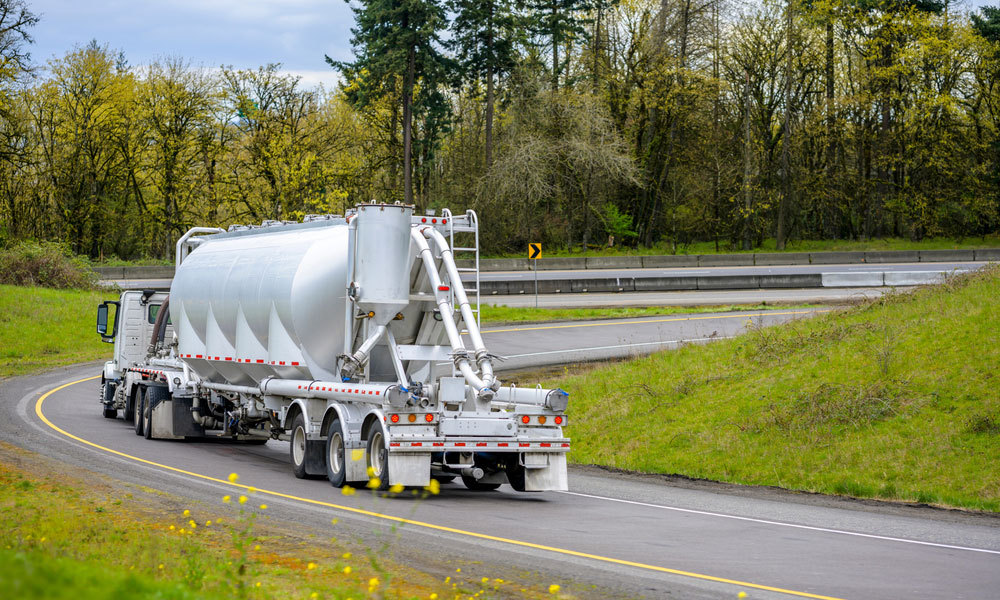
When buying a bulker semi-trailer, safety standards should be a top priority. Welding quality, corrosion-resistant coatings, safety valves, and sound engineering design all play an essential role in protecting both the cargo and the driver. A trailer that meets recognized safety and quality standards may cost more upfront, but it can reduce maintenance expenses and improve profitability over the long term.
Mammut Bulker Semi-Trailers: Power and Innovation in Heavy-Duty Transport
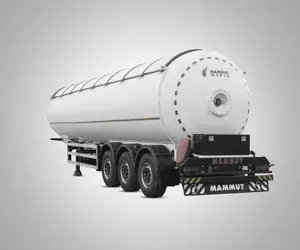
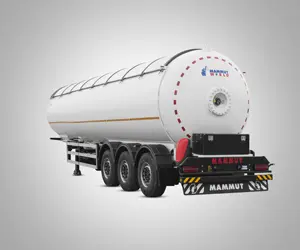
With its advanced engineering and robust body, the Mammut bulker semi-trailer is an ideal solution for transporting bulk materials and heavy loads across the Middle East. Developed by Mammut World, this trailer combines a high payload capacity with intelligent safety systems to enable fast and reliable cargo transportation. Its durable construction, efficient loading and unloading, and long service life make the Mammut bulker semi-trailer a dependable choice for modern transport operators, where time and cargo safety are top priorities.
After-Sales Service and Spare Parts Availability for Bulker Semi-Trailers
One of the most important factors when choosing a bulker semi-trailer or any other heavy-duty transport vehicle is the quality of its after-sales service and technical support. A reliable warranty and access to a professional technical team give drivers and transport companies greater confidence in using their equipment over the long term. In this regard, Mammut offers comprehensive warranty coverage and nationwide technical support, helping ensure that customers receive prompt guidance and the necessary repairs whenever a problem arises.
Access to spare and replacement parts is another key factor in preventing unexpected trailer downtime. A well-established spare parts distribution network and partnerships with reliable suppliers help ensure that maintenance and repairs can be completed quickly and cost-effectively. By providing genuine, original parts, Mammut helps extend the service life of its bulker semi-trailers while maintaining their safety, reliability, and performance.
Ultimately, a combination of professional technical support, reliable warranty coverage, and easy access to spare parts provides bulker semi-trailer owners with greater peace of mind. By prioritizing these services, companies can improve customer satisfaction and maintain high standards of service quality.
How to Choose the Right Bulker Semi-Trailer for Your Business?
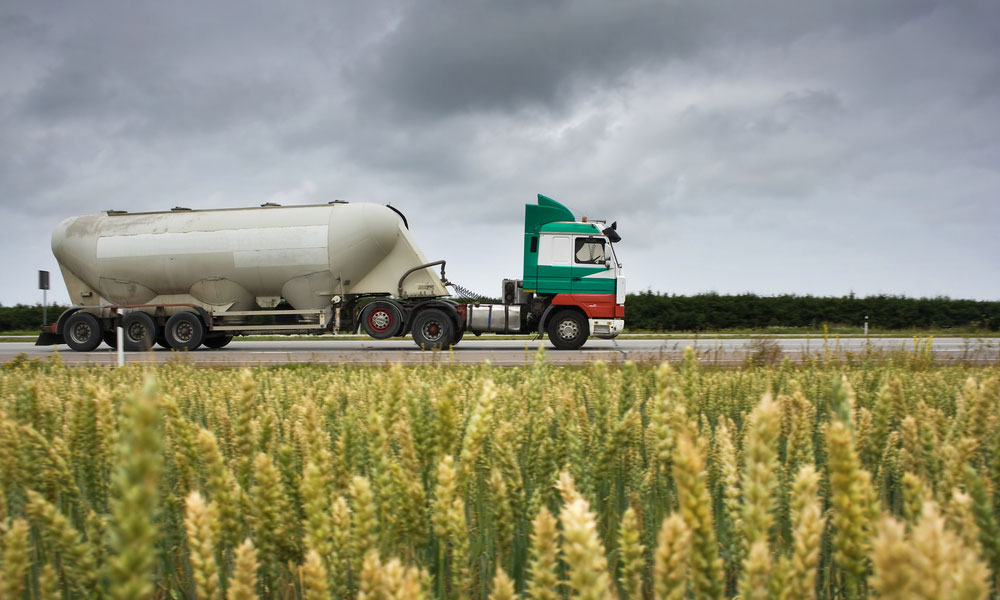
Choosing the right bulker semi-trailer depends largely on the type of cargo you transport and the nature of your business. Each trailer type has specific features that make it suitable for particular materials and transport requirements. Let’s take a closer look at the main categories to help you find the right option for your needs.
1) Cement Transportation
For cement transportation, choose a bulker semi-trailer equipped with an efficient discharge system that allows for fast unloading with minimal material loss. The tank body should be made from materials resistant to abrasion and moisture to protect the cargo throughout the journey. A cement bulker semi-trailer should also be capable of handling heavy, repeated loads to ensure cost-effective transport operations with minimal downtime.
2) Transporting Powdered Food Products (Such as Flour)
When transporting flour and other powdered food products, hygiene and cleanliness are essential. The tank’s interior should be made from materials that are easy to clean and resistant to contamination. The unloading system should also be designed to minimize residue, ensuring that no powder remains inside and preventing cross-contamination with previous loads. Choosing the right bulker semi-trailer for food-grade cargo helps protect product quality and prevent financial losses.
3) Transporting Grains and Bulk Agricultural Materials
When transporting grain and other bulk agricultural materials, high payload capacity and an efficient unloading system are especially important. The bulker semi-trailer should be able to carry large volumes while protecting the cargo from physical damage and moisture. A design that enables fast and complete unloading also helps minimize downtime and improve overall transport efficiency.
How to Avoid the Most Common Mistakes When Buying a Bulker Semi-Trailer?
Buying a bulker semi-trailer is a significant investment for businesses in the construction and food industries. Unfortunately, common purchasing mistakes can reduce efficiency and drive up operating costs. Below, we explore some of the most important mistakes to avoid when choosing a bulker semi-trailer.
1) Buying Without Considering the Type of Cargo
One of the most common mistakes is choosing a bulker semi-trailer without considering the type of cargo it will carry. A trailer designed for cement transportation may not be suitable for flour or grain. Ignoring the cargo’s specific requirements and selecting an unsuitable unloading system can reduce efficiency, increase unloading times, and even damage the load.

2) Overlooking Additional Costs
Many buyers focus solely on the trailer’s initial purchase price while overlooking additional expenses such as maintenance, fuel consumption, insurance, and repairs. These costs can add up over time, reducing the profitability of transport operations. Careful financial planning and a thorough assessment of all ownership costs are essential to making an informed decision when choosing a bulker semi-trailer.
3) Choosing Based Solely on a Low Price
A low trailer price can be tempting, but it should never be the sole deciding factor. Many low-cost trailers have lower-quality components, shorter service lives, and limited after-sales support. Choosing a trailer based only on its price can lead to higher long-term costs and unexpected operational downtime. Build quality, warranty coverage, and spare parts availability should always be among the top priorities when making a purchase.
Making a smart bulker semi-trailer purchase requires careful consideration of cargo type, total ownership costs, and equipment quality. By avoiding common mistakes and choosing a trailer that meets your operational needs, you can maximize the value and return on your investment while ensuring a more reliable and hassle-free bulk transportation experience.

How Choosing the Right Bulker Semi-Trailer Can Improve Profitability
Choosing the right bulker semi-trailer not only ensures safer, higher-quality transportation but can also directly improve your business’s profitability. A trailer that matches your cargo type, load volume, and operating conditions can reduce unloading times, minimize cargo damage, and increase daily productivity.
In addition, choosing a high-quality bulker semi-trailer with reliable after-sales service and easy access to spare parts helps minimize maintenance costs and unexpected downtime. In other words, a smart investment can reduce long-term expenses while increasing revenue, helping your business achieve greater profitability over time.
Ultimately, choosing the right bulker semi-trailer requires a careful assessment of your needs, close attention to technical details, and selecting a reputable brand. By keeping these factors in mind, you can turn your trailer into a reliable and profitable asset that supports your transport operations and helps drive business growth.