



Why Are Tipper Semi-Trailers the First Choice for Road Construction Projects?
2025-10-07
Semi-Trailer Tire Maintenance: 10 Essential Tips to Extend Tire Life and Reduce Fleet Costs
2026-10-06
In today’s world, where energy plays a central role in powering industries, transportation, and even everyday life, LPG (Liquefied Petroleum Gas) has established itself as one of the most versatile and widely used fuels available. Thanks to its practical combustion characteristics, economic viability, and high energy content, LPG is used across a wide range of applications, including residential heating, manufacturing industries, power generation, agriculture, and even light transportation.
Yet, all of these applications share one common requirement: the safe, compliant, and uninterrupted transportation of this valuable fuel.
Within the LPG supply chain, even the smallest error can result in significant financial and environmental consequences. For this reason, the transportation system for this fuel must be designed with the highest level of precision and advanced safety technologies.
This is where LPG trailers play a critical role as one of the key means of transporting liquefied gas. Equipped with high-pressure tanks, intelligent control systems, and built in accordance with international standards, LPG trailers are designed to safely transport liquefied gas produced at refineries to distribution centers and end users.
In practice, without LPG trailers, neither residential consumers nor industrial users would be able to receive LPG safely and on time. This highlights the fact that these trailers are far more than simple means of transportation; they are a vital link in the nationwide distribution of liquefied petroleum gas and play an important role in supporting energy security.
What Is an LPG Semi-Trailer and How Does It Work?
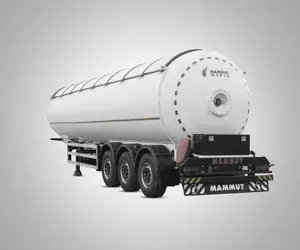
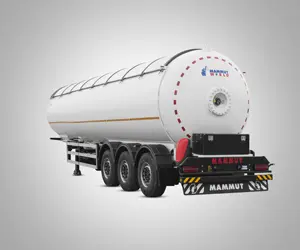
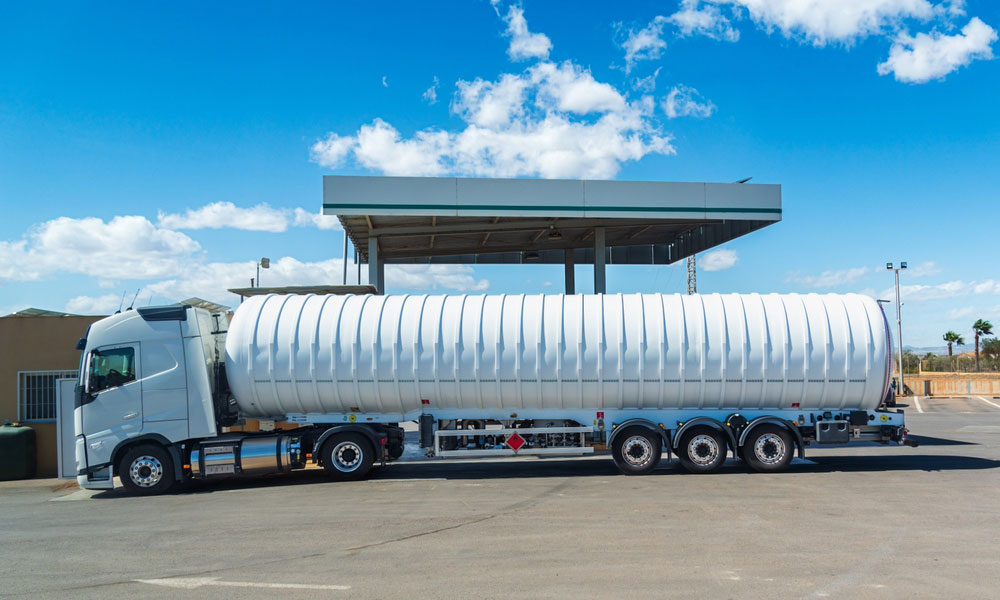
An LPG semi-trailer is a specialized vehicle designed to transport liquefied petroleum gas under pressure and is manufactured in accordance with stringent safety standards. At the heart of the trailer is its high-pressure steel tank, engineered to withstand the pressure of liquefied gas without deformation.
The tank is typically manufactured from high-strength alloy steel and is equipped with safety systems such as pressure relief valves, emergency shut-off valves, pressure gauges, and level indicators. These components work together to help prevent leaks and excessive pressure buildup, ensuring the safe handling and transportation of LPG.
Related Article: How Proper LPG Tanker Semi-Trailer Maintenance Can Extend Its Service Life?
Alongside the tank, a reinforced chassis, a dedicated LPG transfer pump or compressor, and a set of standardized valves form the main components of an LPG trailer. All of these elements are engineered with one common objective: to ensure the safe and controlled transportation of liquefied petroleum gas.
The loading and unloading of LPG also require a high level of precision. During loading, the semi-trailer is first connected to a grounding system to prevent the buildup of static electricity and the risk of sparks. The LPG is then transferred either using a dedicated pump or through the pressure differential between the refinery storage tank and the semi-trailer.
Throughout the process, the tank’s temperature and pressure are continuously monitored to prevent overfilling and excessive pressure buildup, helping ensure safe and controlled handling of the LPG.
The unloading process at the destination is carried out in a similar manner, with a pump or compressor typically responsible for transferring the LPG from the trailer tank to the receiving storage tank. Even the smallest error during these operations can pose serious risks, which is why properly maintained safety equipment and trained operators are essential to ensuring safe and controlled LPG handling.
LPG semi-trailers differ from other hazardous-material tankers in terms of their design, safety systems, and the type of material they transport. Unlike tankers designed to carry liquid fuels such as gasoline or diesel, an LPG semi-trailer features a fully pressurized tank engineered to withstand high internal pressures. By contrast, liquid-fuel tankers are typically designed with multiple compartments and do not require the same level of pressure resistance.
LPG also requires a significantly higher level of safety attention than liquid fuels. In the event of a leak, LPG can rapidly vaporize and mix with air, creating a potentially explosive atmosphere. For this reason, LPG trailers are equipped with safety systems such as pressure relief valves, emergency shut-off valves, grounding systems, and pressure-monitoring equipment—features that may be absent from other types of tankers or may not be required to the same extent.
These differences highlight the specialized nature of LPG transportation. It is not a routine operation, but a highly technical process that requires standardized, high-pressure trailers specifically engineered for the safe handling and transportation of LPG.

Why Are LPG Semi-Trailers Essential for Liquefied Petroleum Gas Transportation?
While LPG trucks are widely recognized as a key means of transporting liquefied petroleum gas (LPG), their importance goes far beyond their high transport capacity. A combination of advanced safety features, specialized engineering, and economic efficiency makes them a critical component of the energy supply chain.
In the following sections, we explore key details and insights that highlight the unique importance of LPG semi-trailers:
1) Specialized Design and Stringent Safety Standards
The transportation of LPG requires equipment specifically designed to handle its highly volatile and flammable nature, as well as the high pressures involved in its storage, which can reach approximately 1.60 MPa (around 16.1 bar).
Pressure Vessel Tank Design
Unlike tanks used to transport liquid fuels such as gasoline or diesel, the LPG trailer tank must be designed to withstand high design pressures. These tanks are typically manufactured from high-strength steels such as P460NL2, in accordance with European standards, or A516 Grade 70, based on American standards. The plate thickness is often in the range of 9 to 14 mm. This high structural strength provides exceptional resistance to impact and internal pressure.
The tanks undergo rigorous hydrostatic and radiographic testing to verify the integrity of their welds and overall structural integrity.
Advanced Safety Systems
Safety Valve: If the internal pressure rises above the safe limit for any reason, such as an increase in temperature, the valve automatically releases a controlled amount of gas to bring the pressure back within a safe range, helping prevent rupture or leakage.
Pressure Monitoring Systems: These trailers are equipped with sensors that continuously monitor the pressure and temperature inside the tank and provide alerts when abnormal conditions are detected.
Electronic Braking System (EBS) and Rollover Stability Program (RSP): For the transportation of hazardous materials, these systems are essential for maintaining trailer stability during emergency situations or sharp turns and helping prevent incidents such as jackknifing.
2) High Efficiency and Economic Performance
Thanks to its specialized design, an LPG trailer provides a more cost-effective means of transporting LPG compared with alternative methods, such as smaller cylinders or rail tank cars:
High Transport Capacity: LPG trailer tanks typically have capacities ranging from 20,000 to 60,000 liters. Transporting such a large volume of LPG in a single trip significantly reduces the number of trips required and, consequently, operating costs such as fuel, driver wages, and vehicle depreciation.
Fast Loading and Unloading (Self-Pressurization/Pumping): LPG trailers are equipped with dedicated loading and unloading systems. Some models use self-pressurization, utilizing the tank’s internal pressure for unloading, while others are equipped with powerful hydraulic pumps for the fast and safe transfer of liquefied gas. These systems help minimize loading and unloading downtime.
Suitable for Point-to-Point Distribution: Unlike pipelines, which require costly and fixed infrastructure, LPG trailers offer greater flexibility in distribution. They can deliver LPG to remote areas, private villas, small-scale industrial facilities, and consumers without access to the municipal gas pipeline network.
3) A Key Role in the Energy Supply Chain
LPG trucks serve as a vital link between refineries and large-scale storage facilities and end users:
Supporting Industries: Many industrial furnaces, burners, and commercial kitchens rely on a continuous supply of LPG. LPG trailers play a critical role in delivering this fuel without interruption and in the required volumes.
Cross-Border Transportation (Transit): For the overland export and import of LPG, LPG trailers manufactured in compliance with international ADR standards (the European regulations governing the international road transport of dangerous goods) are a practical and cost-effective transportation solution.
In summary, an LPG trailer is far more than a means of transportation; it is a highly advanced and secure mobile pressure vessel. By combining high-volume transport capacity with stringent safety standards and strong economic efficiency, it plays an indispensable role in the LPG industry.
Advantages of Using LPG Semi-Trailers Compared with Other Transportation Methods

1) Direct Delivery from Refineries to End-Use Facilities (Door-to-Door Delivery)
One of the key advantages of LPG trailers is their ability to provide end-to-end, door-to-door transportation from the point of origin to the final destination.
Eliminating Intermediaries: LPG trailers can be loaded directly at refineries or large-scale storage facilities and deliver the LPG to LPG refueling stations, industrial plants, or large consumers’ storage tanks without the need for intermediate transfer or storage.
Faster Turnaround: This direct process reduces overall transportation time, accelerates capital turnover, and helps lower storage costs at intermediate facilities.
Guaranteed Quality: Since the LPG is transferred directly from the main storage tank to the end user’s storage tank, the risk of contamination or quality degradation during transfer is minimized.
2) Operational Flexibility in Emergency Situations
Flexibility is one of the key strengths of LPG trailer transportation by road, becoming particularly critical during emergencies:
Overcoming Route Disruptions: In the event of natural disasters, such as floods or earthquakes, or technical disruptions along major transportation routes, such as pipeline damage or rail closures, LPG trailers can quickly reroute and use alternative roads to help maintain an uninterrupted fuel supply.
Rapid Supply to Critical Areas: In emergencies or periods of sudden demand, such as during severe cold weather, LPG trailers can be quickly dispatched to areas in need, providing targeted, point-to-point supply. This level of flexibility is not possible with pipelines, which operate along fixed routes.
24/7 Operations: The ability to operate around the clock across different shifts enables a rapid response to changes in market conditions and demand.
3) Reduced Dependence on Fixed Gas Distribution Infrastructure
The widespread use of LPG semi-trailers in developing countries and areas with limited infrastructure enables fuel distribution without the need for major investments in fixed gas distribution networks:
Lower Initial Investment: Constructing gas pipelines is highly capital-intensive and requires significant time for design, permitting, and construction. By contrast, an LPG trailer fleet can begin distribution operations with a lower initial investment and a shorter deployment timeline.
Access to Rural and Remote Areas: In many mountainous regions, islands, and rural areas where pipeline construction is economically unviable or technically impractical due to high costs or geographical constraints, LPG trailers can provide a practical solution for energy supply.
Phased Expansion: LPG trailer-based distribution enables companies to expand their market gradually and incrementally, investing in fixed infrastructure only after establishing sustained long-term demand.
Introducing New Technologies and Key Innovations in LPG Semi-Trailers

1) Lighter Tanks Using Advanced Steels (High-Strength, Low-Alloy – HSLA)
The use of high-strength, lower-weight alloy steels, such as fine-grained steels and HSLA, in place of conventional carbon steels enables a reduction in tank wall thickness. As a result, the trailer’s tare weight is reduced, allowing for a higher net LPG payload within applicable road weight limits.
2) Smart Loading, Unloading, and Monitoring Systems
The use of automated, computerized pumping and metering systems makes loading and unloading processes more precise, faster, and safer. These systems are equipped with mass flow meters that accurately measure and record the exact quantity of LPG transferred.
3) Telematics and Remote Monitoring
The installation of GPS modules and IoT sensors on the trailer and tank enables a central control room to monitor critical parameters in real time, including location, tank pressure and temperature, fill level, and the status of safety valves. This technology allows operators to be immediately alerted to route deviations or unsafe conditions.
4) Advanced Electronic Braking (EBS) and Stability Control (RSC/RSP)
The use of intelligent Electronic Braking Systems (EBS) and Roll Stability Control (RSC) enables continuous monitoring of trailer movement and independent braking at individual wheels during critical situations, such as sharp turns or loss of traction. These technologies significantly reduce the risk of rollover and jackknifing in heavy-duty hazardous-material trailers, enhancing overall road safety.
5) Multi-Function Valves and Fittings with Automatic Flow Shut-Off (Excess Flow Valves)
Excess Flow Valves (EFVs) automatically activate when they detect an abnormal and sudden increase in gas flow, which may indicate a rupture in a pipe or fitting, and shut off the gas flow. In the event of an accident, these safety devices help prevent major gas leaks and reduce the risk of fire or explosion.
6) Heat-Resistant and Heat-Reflective Coatings
The use of heat-reflective coatings and solar-reflective paints on the exterior surface of the tank helps maintain the internal temperature within a safer range by reflecting a greater portion of solar radiation. This reduces the risk of excessive internal pressure buildup, which could trigger the pressure relief valve, particularly in hot and tropical climates.
Ultimately, an LPG semi-trailer is far more than a heavy-duty vehicle; it is a vital link in the modern energy supply chain. The combination of advanced safety standards, high-strength tank engineering using HSLA steels, unmatched flexibility in road-based distribution—including access to remote areas—and innovative remote monitoring technologies makes it a highly capable solution for LPG logistics.
In a world where speed, accessibility, and safety are paramount, LPG trailers help overcome infrastructure and geographical barriers, ensuring that this vital energy source is available when and where it is needed. In this sense, the future of energy distribution is increasingly supported by the mobility, flexibility, and advanced technology of these specialized tank trailers.