





How AI Reduces Truck Fuel Consumption?
2025-04-23
How to Choose the Right Bulker Semi-Trailer?
2025-08-25
Which Heavy-Duty Trailer Is Best for Hauling Large Loads Over Long Distances?
In the dynamic world of transportation, heavy-duty trailers are the true workhorses of the industry. With their impressive strength and load capacity, these powerful vehicles can haul some of the heaviest cargo while keeping the economy moving. Their importance extends far beyond transportation alone: heavy-duty trailers play a vital role in maintaining reliable supply chains, ensuring timely deliveries, and supporting the sustainable growth of a wide range of industries.
In 2025, rising demand and intensifying competition in the transportation industry have made the selection of heavy-duty trailers more critical than ever. Businesses must identify models that combine advanced engineering, reliable performance, and robust safety features to meet the growing demands of modern freight transport.
Advances in technology have ushered the heavy-duty trailer industry into a new era. From artificial intelligence to automated control systems, these innovations are enhancing operational safety and improving efficiency. Meanwhile, the adoption of cleaner energy sources and electric powertrains is helping reduce fuel consumption and emissions, supporting a more sustainable future for generations to come.
With these innovations, the latest heavy-duty trailer models are raising industry standards, helping drivers and business owners move toward a safer, smarter, and more efficient future. In this article, we explore the top 10 heavy-duty trailer models of 2025, highlighting how they bring together strength, advanced technology, and sustainability to meet the evolving demands of modern transportation.
1. Volvo FH16: Unmatched Power on the Road
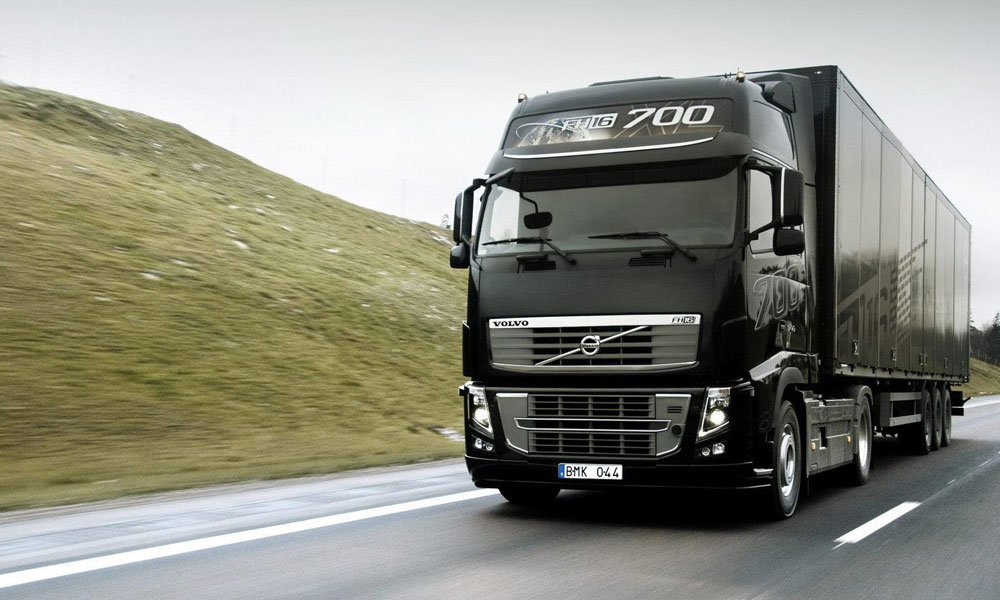
Among heavy-duty trucks, the Volvo FH16 stands out as a symbol of power, safety, and advanced technology. Equipped with a powerful 16-liter engine producing up to 750 horsepower, it is one of the leading options for hauling exceptionally heavy loads over long distances. With an impressive torque output of 3,550 Nm, the Volvo FH16 can handle massive loads even on challenging roads and steep gradients, delivering strong, reliable performance. These capabilities have made it a prominent choice in the heavy-duty transport industry.
Power, however, is not the Volvo FH16’s only distinguishing feature. This road-going powerhouse also excels in safety and intelligent technology. It can be equipped with advanced safety features, including an advanced emergency braking system, lane departure warning, adaptive cruise control, and blind-spot detection, helping enhance driver awareness and improve road safety.
These features help protect both the driver and the cargo while reducing the risk of accidents on the road. In addition, intelligent technologies such as fleet management systems, I-See predictive cruise control, which anticipates road gradients, and I-Shift automated gear shifting help the Volvo FH16 optimize fuel consumption and improve operational efficiency, delivering a more comfortable and reliable driving experience.
2. Mercedes-Benz Actros: Where Technology Meets Comfort
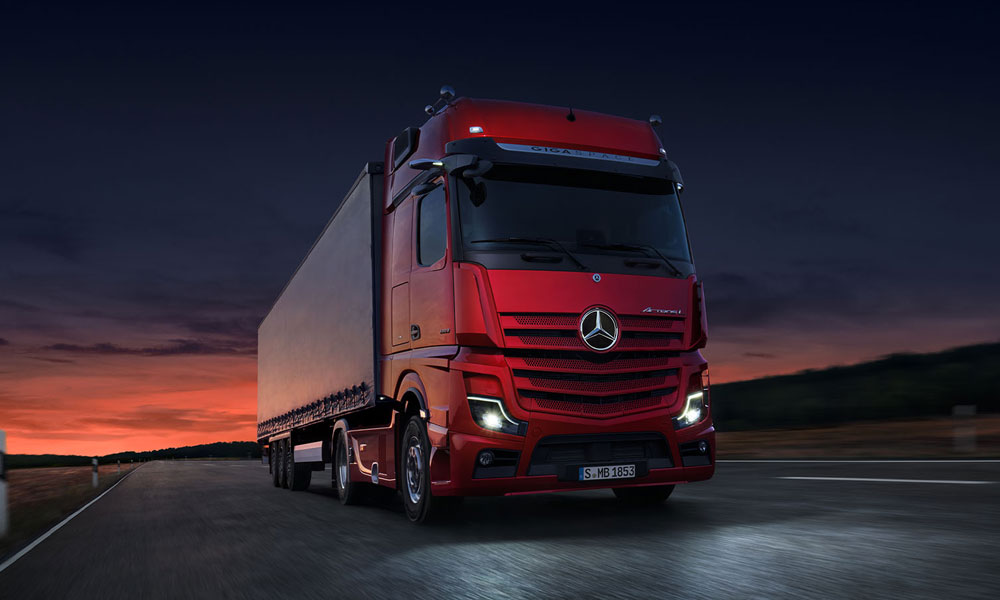
In the heavy-duty transport industry, the Mercedes-Benz Actros is recognized as one of the most innovative and comfortable truck models on the market. With its modern design and cutting-edge technology, it sets new standards for intelligent transportation. Its powerful engine, delivering up to 625 horsepower, provides the performance needed to haul heavy loads efficiently over long distances.
Furthermore, thanks to its advanced fuel injection system and intelligent fuel management, the Actros combines powerful performance with excellent fuel efficiency, making it a leading option in the heavy-duty transport segment.
One of the Mercedes-Benz Actros’s standout features is MirrorCam, a system that replaces conventional side mirrors with advanced cameras to provide a wider view around the truck. This technology helps reduce blind spots while also improving aerodynamics to lower fuel consumption. In addition, the Actros is equipped with advanced safety features, including Active Brake Assist, Lane Keeping Assist, and Adaptive Cruise Control, designed to enhance driver and cargo safety across a range of road conditions. Inside the cab, an ergonomic layout and high-quality materials provide greater comfort, helping drivers feel less fatigued during long journeys.
3. Scania R 770: The King of Power and Durability
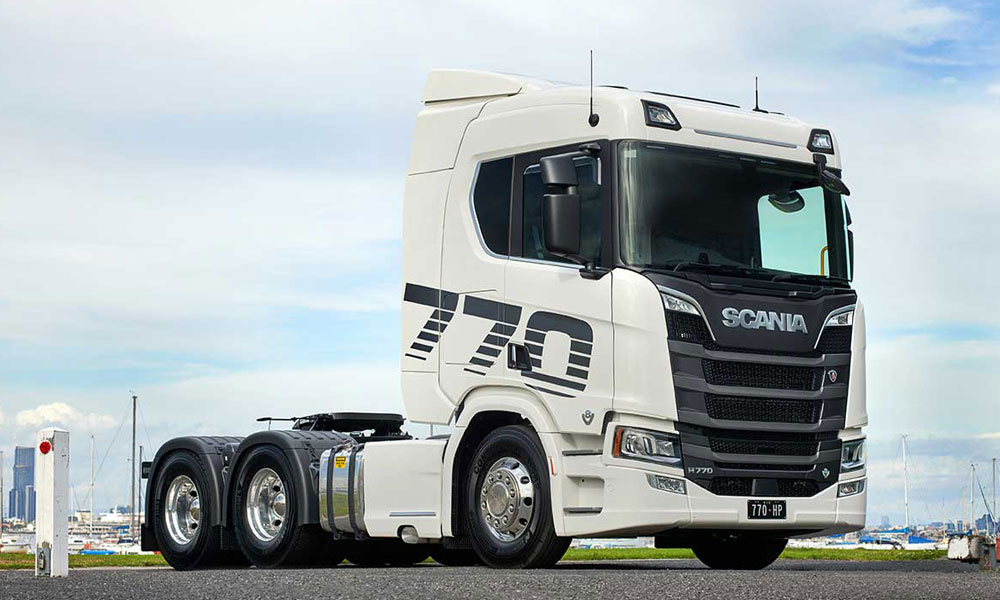
In the world of heavy-duty transport, the Scania R 770 is widely regarded as a true powerhouse, combining exceptional power, durability, and efficiency. Equipped with a 16-liter V8 engine delivering 770 horsepower, it is Scania’s most powerful truck model to date.
With an impressive torque output of 3,700 Nm, the Scania R 770 is built to haul exceptionally heavy loads over long distances and challenging terrain. This combination of power and reliability makes it a compelling choice for heavy-duty and international freight transport.
What truly sets the Scania R 770 apart is not just its power, but also Scania’s strong focus on fuel efficiency and emissions reduction. Equipped with the Scania Opticruise transmission system and active cruise control with predictive route technology, the truck manages power intelligently to optimize energy use and minimize fuel consumption.
In addition, the use of Selective Catalytic Reduction (SCR) technology helps significantly reduce harmful emissions, making the Scania R 770 an attractive option for companies seeking to lower their carbon footprint and improve environmental performance.
4. Kenworth T680 Next Gen: The Next Generation of American Heavy-Duty Trucks
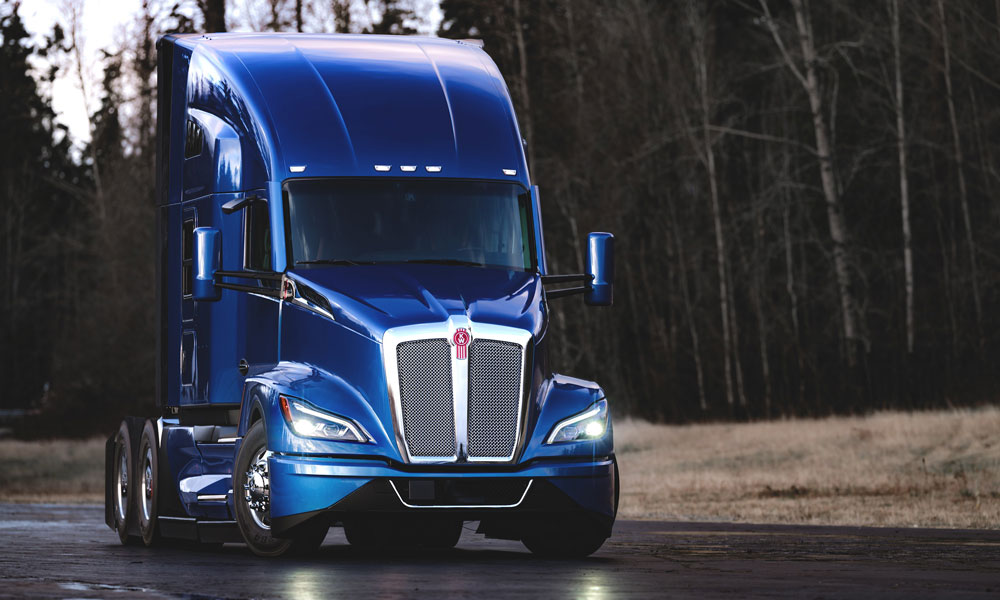
Among American heavy-duty trucks, the Kenworth T680 Next Gen stands out as a symbol of innovation and operational efficiency. As the latest generation of the T680 series, it combines advanced aerodynamic design with cutting-edge technology, setting new standards in the heavy-duty transportation industry.
The Kenworth T680 Next Gen is powered by the PACCAR MX-13 engine, delivering up to 510 hp and 2,500 Nm of torque to provide high tractive effort and sustained performance during long-haul heavy-load operations. Its aerodynamically optimized cab and bodywork reduce drag, lower fuel consumption, and improve overall powertrain efficiency during highway transport.
A key differentiator of the Kenworth T680 Next Gen is its suite of advanced driver-assistance and powertrain management technologies. The truck features Predictive Cruise Control, which analyzes road topography to optimize vehicle speed and gear selection, reducing fuel consumption and improving powertrain efficiency. Its Driver Assistance Package incorporates lane departure warnings, blind-spot detection, and automatic emergency braking to enhance operational safety and help protect both the driver and cargo. The cab is also engineered with an ergonomic layout and advanced comfort features, reducing driver fatigue and supporting sustained performance during long-haul operations.
5. Mack Anthem: Built for Durability and Stability in Demanding Conditions
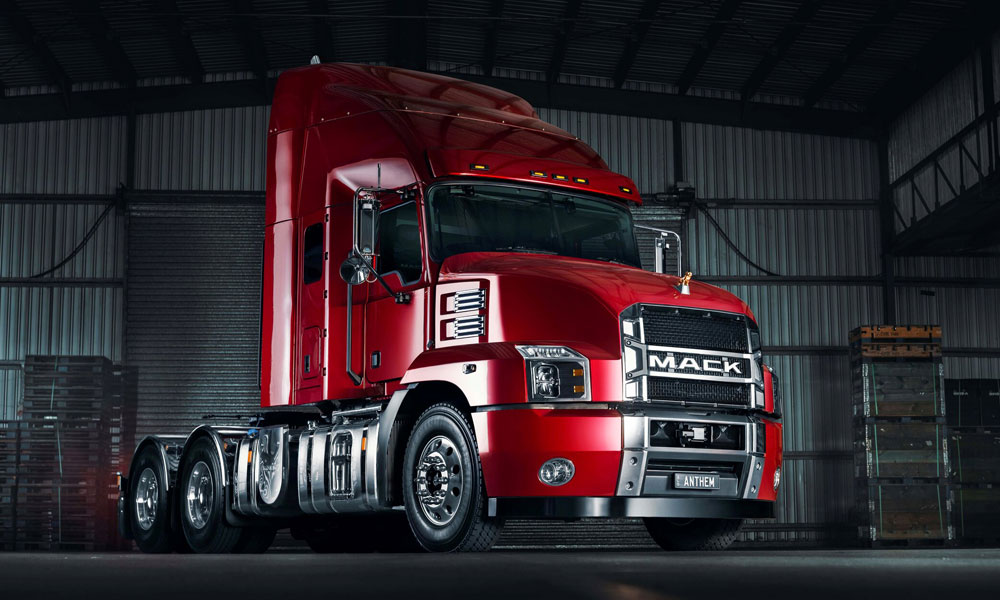
Manufactured by American truck manufacturer Mack, the Mack Anthem is engineered for heavy-haul and long-distance freight operations across demanding road profiles. It is powered by the MP8 heavy-duty diesel engine, rated at up to 505 hp and 1,860 Nm of torque, delivering high tractive effort and dependable power output under severe operating conditions. Its high-strength chassis and reinforced structural components enhance torsional rigidity, load-bearing capacity, and vehicle stability, supporting secure cargo handling across a broad range of road surfaces and climatic conditions.
The Mack Anthem distinguishes itself in the heavy-duty truck segment through a combination of mechanical durability, powertrain performance, and intelligent vehicle-control technologies designed to improve fuel economy and operational efficiency. Mack Predictive Cruise Control uses predictive road-grade data to adjust vehicle speed proactively, minimizing unnecessary acceleration and braking, reducing energy losses, and optimizing fuel consumption. In addition, advanced driver-assistance technologies such as Bendix Wingman Fusion integrate obstacle detection, forward-collision warnings, and collision-mitigation braking to enhance situational awareness and improve active safety during heavy-haul operations.
6. DAF XF: Combining Performance with Fuel Efficiency
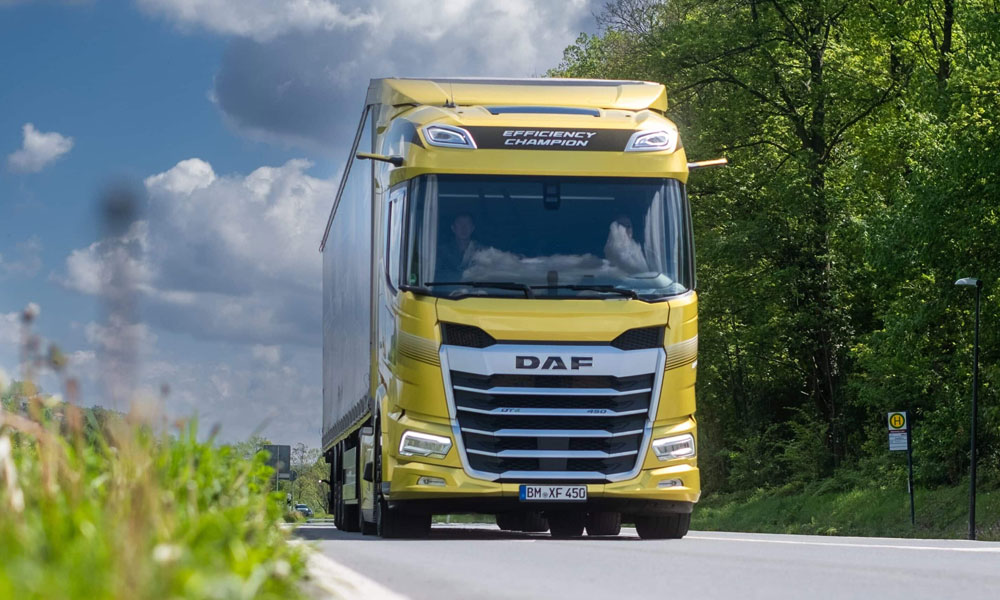
Among heavy-duty trucks, the DAF XF is recognized for combining high powertrain performance with fuel efficiency. Manufactured by Dutch truck maker DAF, the XF is engineered to reduce fuel consumption while maximizing operational efficiency in long-haul freight applications. Powered by the PACCAR MX-13 engine, delivering up to 530 hp and 2,600 Nm of torque, the DAF XF provides the tractive effort and drivetrain performance required for transporting heavy loads over long distances. Its optimized vehicle architecture and aerodynamic cab design reduce drag, contributing to lower fuel consumption and improved overall transport efficiency.
A key strength of the DAF XF is its integration of advanced technologies designed to elevate operational efficiency. Its Predictive Cruise Control system analyzes route data and road gradients to proactively regulate vehicle speed and optimize gear selection, helping minimize fuel consumption and improve powertrain efficiency during long-haul operations.
Additionally, the DAF XF’s Eco Mode optimizes vehicle operating parameters to help drivers maximize fuel economy across varying road conditions and duty cycles. Complementing these efficiency-enhancing technologies, the XF features a spacious, ergonomically engineered cab that prioritizes driver comfort, reduces fatigue, and supports sustained performance during extended long-haul operations.
7. Renault T High Evolution: Intelligent and Sustainable Driving
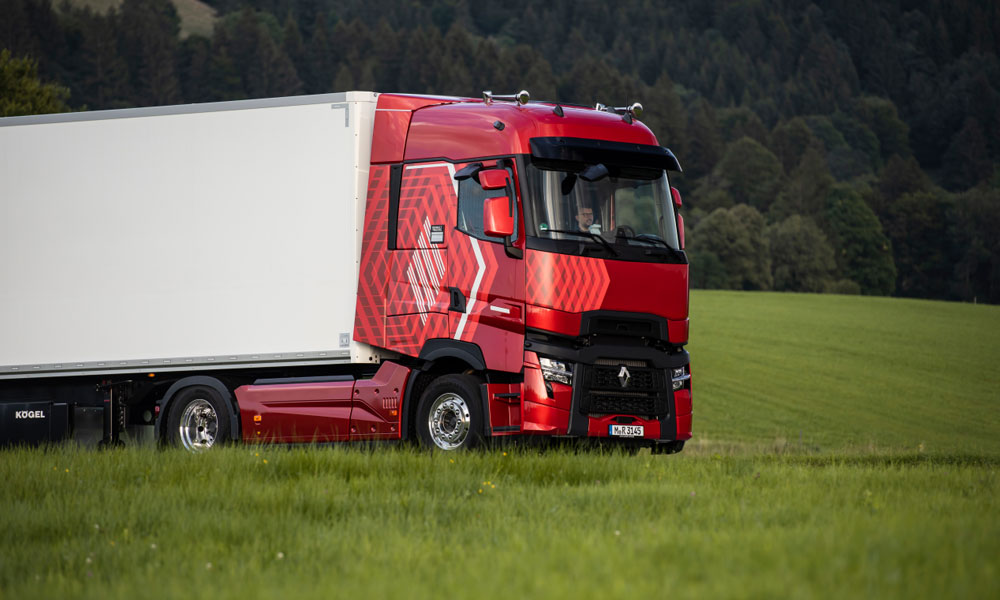
Among European heavy-duty trucks, the Renault T High Evolution is recognized for its advanced intelligent systems and driver-focused engineering. This French long-haul truck combines contemporary vehicle design with sophisticated onboard technologies to deliver a balance of powertrain performance, active safety, and driver comfort over extended distances. Its 13-liter engine, producing up to 520 hp and substantial torque, provides the tractive effort required to transport heavy payloads across challenging terrain and demanding long-distance routes. In addition, fuel-efficiency optimization technologies and an aerodynamically refined cab design help reduce fuel consumption, minimize aerodynamic drag, and enhance overall operational efficiency.
The Renault T High Evolution also distinguishes itself through its advanced driver-assistance systems (ADAS), incorporating technologies designed to enhance vehicle control and active safety. These include Adaptive Cruise Control (ACC), which automatically adjusts vehicle speed to maintain a safe following distance; Lane Departure Warning (LDW), which alerts the driver to unintended lane deviations; and an Emergency Braking System (EBS), which can help mitigate or prevent collisions by initiating braking when necessary. Collectively, these systems enhance driver situational awareness, improve vehicle stability and control, and reduce operational risks during long-haul heavy-duty transport.
Furthermore, the Renault T High Evolution’s Optivision predictive cruise control system uses road-topography data to anticipate upcoming gradients and automatically optimize gear selection and vehicle speed. By coordinating powertrain management with route conditions, the system enhances fuel economy, improves drivetrain efficiency, and supports safer, more consistent vehicle operation during long-haul transport.
One of the Renault T High Evolution’s defining features is its ergonomically engineered cab, designed to maximize driver comfort during extended long-haul operations. The spacious interior incorporates ergonomically contoured seating, a digital instrument display, automatic climate control, and strategically configured storage compartments to create a comfortable, functional working environment. This driver-centric cab design helps reduce physical strain and fatigue over prolonged driving periods, supporting sustained driver alertness, operational productivity, and overall efficiency on long-distance routes.
8. IVECO S-Way: Innovation in Heavy-Duty Transportation
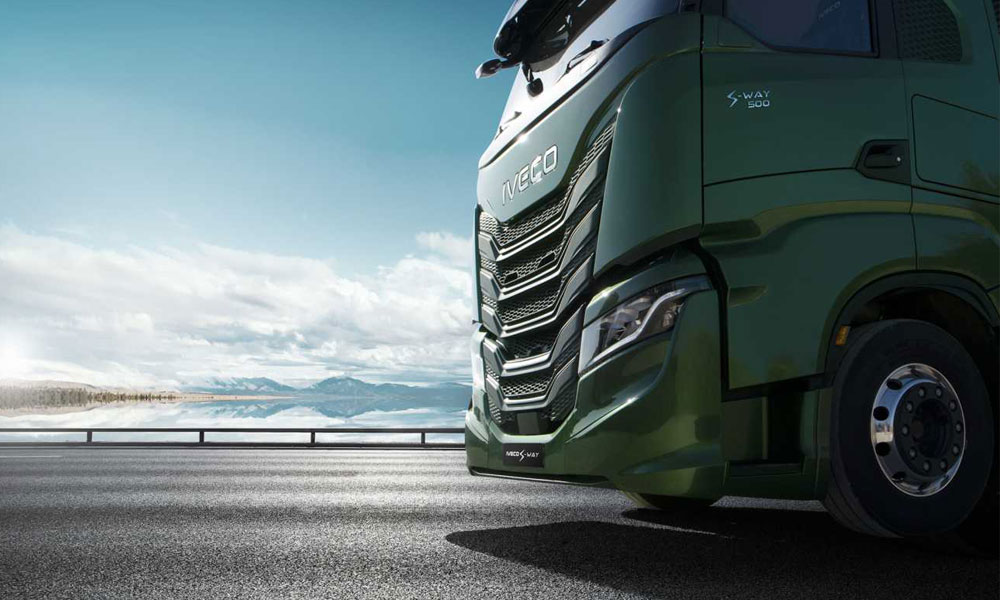
The IVECO S-Way represents a new generation of heavy-duty trucks, engineered with a strong emphasis on fuel economy, powertrain performance, and intelligent vehicle technologies. Its advanced design reflects a continued evolution in heavy-duty freight transport. Powered by the Cursor 13 engine, delivering up to 570 hp, the S-Way provides the tractive effort and sustained power output required to haul heavy payloads over long distances while maintaining consistent performance and high operational efficiency under demanding operating conditions.
A defining feature of the IVECO S-Way is its focus on fuel economy and energy optimization. The truck employs Hi-SCR (High-Efficiency Selective Catalytic Reduction) aftertreatment technology without exhaust gas recirculation (EGR), reducing exhaust emissions while supporting improved fuel efficiency. In addition, its Eco Mode and Predictive Driving System use route and road-gradient data to optimize vehicle speed and driving strategy, helping minimize fuel consumption on long-distance routes and steep inclines. These integrated powertrain and vehicle-management technologies help lower operating costs, improve transport efficiency, and reduce the truck’s overall carbon footprint.
Alongside these engineering innovations, the IVECO S-Way incorporates advanced connectivity and intelligent driver-assistance technologies. The IVECO Driver Pal voice-enabled digital assistant allows drivers to access vehicle functions through voice commands and communicate with support services, helping minimize manual interaction and reduce driver distraction. The truck’s ergonomically engineered cab further enhances operational comfort and safety, featuring a digital instrument cluster, intelligent climate-control systems, and strategically integrated storage compartments. Together, these technologies create a driver-centric operating environment that supports improved situational awareness, reduced fatigue, and greater comfort during extended long-haul operations.
9. Peterbilt 579: Where Style Meets Power
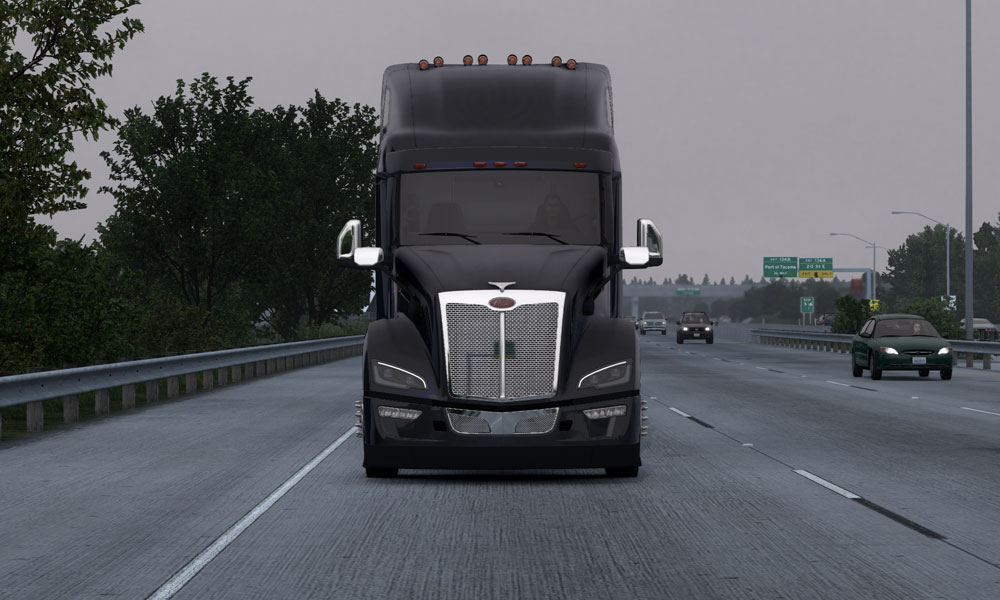
When it comes to combining striking design with uncompromising power in the heavy-duty truck segment, the Peterbilt 579 stands out as an iconic example of American truck engineering. Its bold styling and aerodynamically optimized bodywork deliver a distinctive visual profile while reducing aerodynamic drag. Beyond its refined exterior, the Peterbilt 579 integrates advanced vehicle technologies and engineering solutions to enhance fuel efficiency, operational performance, and overall transport productivity.
The Peterbilt 579’s bodywork is aerodynamically engineered to minimize drag, significantly reducing fuel consumption during highway operation. Combined with its robust construction and efficiency-focused design, these characteristics make the Peterbilt 579 a compelling option for long-haul and intercity freight transport, where fuel economy, mechanical durability, and consistent operational performance are essential.
At the heart of the Peterbilt 579 is the PACCAR MX-13 heavy-duty diesel engine, delivering up to 510 hp and 2,500 Nm of torque. This powertrain configuration provides the tractive effort and sustained torque output required to haul heavy payloads over extended distances and challenging routes. Combined with dependable power delivery and robust drivetrain performance, the MX-13 supports consistent vehicle control and operational reliability under demanding long-haul conditions.
Beyond its high power output, the Peterbilt 579 incorporates intelligent fuel-management and vehicle-speed optimization systems designed to maximize energy efficiency and reduce operating costs. By optimizing engine performance and maintaining efficient cruising speeds under varying road conditions, these technologies help lower fuel consumption, improve powertrain efficiency, and reduce the total cost of ownership in long-haul freight operations.
The Peterbilt 579 goes beyond power and aerodynamic styling, offering an advanced suite of driver-comfort features and onboard technologies. Its SmartNav™ system integrates precision navigation, fleet management capabilities, and connected communications to support a more efficient, informed, and secure driving experience. Inside the cab, a spacious, premium interior combines ergonomically designed seating, a digital instrument display, and an expansive sleeper compartment to enhance driver comfort and reduce fatigue, even during the most demanding long-haul operations.
10. Freightliner Cascadia: A Leading Choice for Large-Scale Freight Fleets
The Freightliner Cascadia is an American heavy-duty truck that has helped advance freight transportation through its combination of high powertrain performance, fuel efficiency, and intelligent vehicle technologies. Powered by the Detroit DD15 engine, producing up to 505 hp and 2,500 Nm of torque, the Cascadia delivers the tractive effort and sustained power output required to haul heavy payloads over extended distances and demanding road profiles. Its robust powertrain configuration supports consistent performance, enhanced vehicle stability, and reliable operation under challenging long-haul conditions.
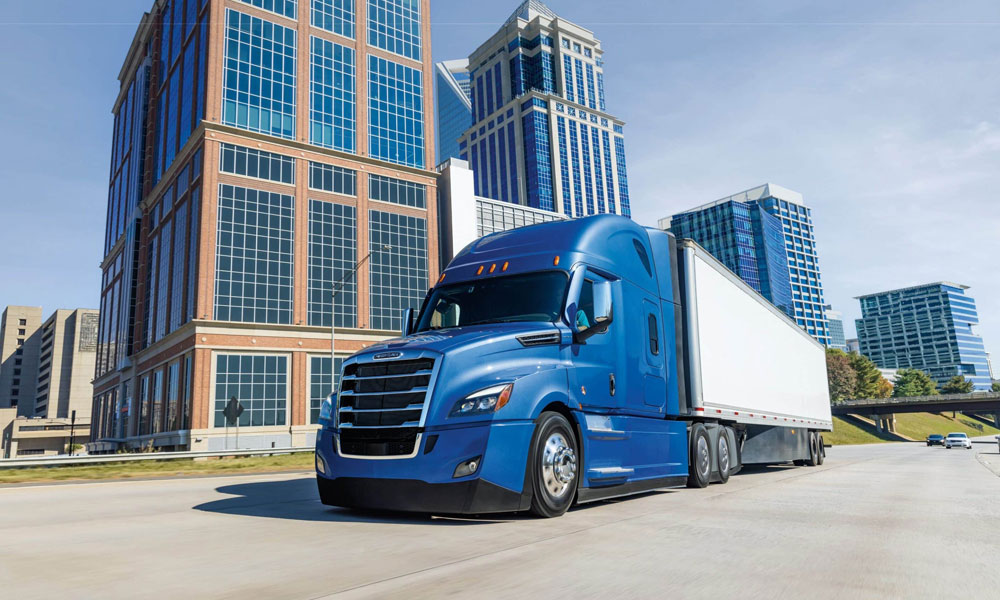
One of the Freightliner Cascadia’s key strengths is its integration of advanced technologies designed to optimize fuel economy and overall operating efficiency. The Detroit Assurance suite of driver-assistance technologies includes Adaptive Cruise Control, Active Brake Assist, and Lane Departure Warning. In addition to enhancing active safety and driver awareness, these systems support smoother vehicle operation, help mitigate collision risks, and can contribute to improved fuel efficiency during long-haul freight operations.
Furthermore, the Predictive Cruise Control system anticipates upcoming road gradients and intelligently adjusts vehicle speed to optimize powertrain performance and minimize energy losses. By adapting driving behavior to road topography, this technology helps reduce fuel consumption and improve overall operational efficiency. These integrated fuel-management and predictive driving capabilities make the Freightliner Cascadia a cost-effective solution for intercity and international freight transport, where fuel economy, operational reliability, and total cost of ownership are critical considerations.
Beyond its technical performance, the Freightliner Cascadia also features an exceptionally well-engineered cab interior. Its spacious, ergonomically optimized layout incorporates supportive seating, an intelligent climate-control system, and advanced digital interfaces to create a comfortable, low-stress working environment for drivers during extended long-haul operations. Furthermore, modern control panels and intuitively positioned vehicle controls provide convenient access to essential functions, helping reduce driver workload, enhance operational safety, and improve vehicle handling. Together, these driver-centric design features contribute to a safer, more comfortable, and more efficient driving experience.
Ultimately, selecting the right heavy-duty truck for transporting high-payload cargo depends on several critical factors, including engine output, fuel efficiency, driver comfort, and the integration of advanced safety technologies. The top models of 2025 each address distinct operational requirements within the heavy-duty transportation sector. The Volvo FH16 delivers exceptional power; the Mercedes-Benz Actros combines advanced technology with driver comfort; the Scania R 770 offers outstanding power and durability; the Kenworth T680 Next Gen features aerodynamic innovations; the Mack Anthem is engineered for resilience under demanding operating conditions; the DAF XF prioritizes fuel economy; the Renault T High Evolution incorporates intelligent driving technologies; the IVECO S-Way emphasizes environmental innovation; the Peterbilt 579 combines distinctive styling with strong powertrain performance; and the Freightliner Cascadia delivers reliable performance with optimized fuel consumption. Each model offers a different combination of engineering capabilities and operational advantages to meet the diverse demands of modern heavy-duty freight transport.
Selecting the most suitable model from these ten leading heavy-duty trucks depends on several operational considerations, including cargo type and payload requirements, route length, and the specific priorities of drivers and fleet operators. With ongoing technological advancements and an increasing emphasis on emissions reduction and fuel-economy optimization, modern heavy-duty trucks are evolving beyond raw power and structural durability. Through improved powertrain efficiency, advanced driver-assistance systems, and cleaner vehicle technologies, they are helping drive the transportation industry toward a safer, more energy-efficient, and environmentally sustainable future.