





Livestock Tipper Semi-Trailer vs. Standard Tipper Semi-Trailer
2025-09-20
Why LPG Trucks Are Essential for Liquefied Gas Transportation: Key Benefits and Technologies
2025-12-08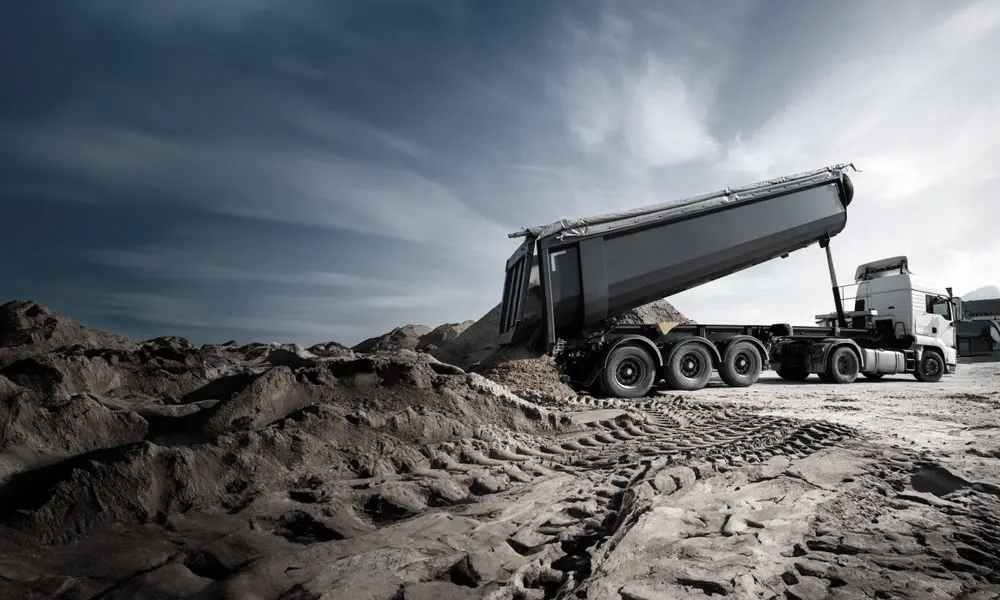
What Role Do Tipper Semi-Trailers Play in the Success of Construction Projects?
In every construction project, from highway development to mining operations, time, cost, and quality are three critical factors that determine success. Among the various types of heavy equipment involved, the tipper semi-trailer plays a key role in maintaining project efficiency and accelerating progress.
This powerful type of trailer, with its high payload capacity and rapid unloading capability for heavy materials such as gravel, sand, asphalt, and soil, has effectively become a backbone of construction operations. When it comes to transporting large volumes of materials over long distances, few solutions can match the efficiency and cost-effectiveness of a tipper semi-trailer.
Its robust construction, high payload capacity, and efficient tipping system enable construction teams to move larger quantities of material in less time, helping projects progress faster while maintaining operational efficiency.
For this reason, in many infrastructure and road construction projects, the use of a tipper semi-trailer is no longer simply an option—it is a necessity. By combining strength, durability, and operational efficiency, it helps construction teams keep projects moving forward and contributes to their overall success.
What Is a Tipper Semi-Trailer and How Does It Differ from Other Trailers?
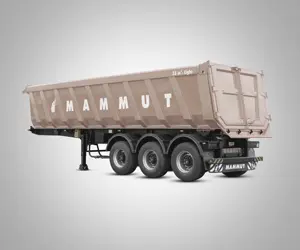
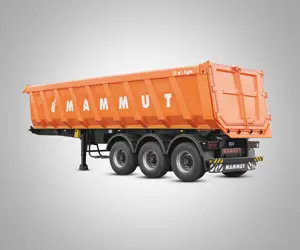
A tipper semi-trailer is one of the most widely used and efficient types of trailers in construction, road-building, and mining projects. It is specifically designed to transport bulk materials such as gravel, sand, soil, asphalt, and various minerals, with its key advantage being the ability to unload these materials quickly using a hydraulic tipping system.
The hydraulic system lifts the trailer body, allowing the entire load to be discharged quickly and efficiently, without the need for manual handling or additional unloading equipment.
Related Article: What Is a Tipper Semi-Trailer and How Does It Work?
The key difference between a tipper semi-trailer and other types of trailers lies in its purpose and unloading method. Conventional trailers, such as flatbed, refrigerated, or curtain-side trailers, are generally designed to transport packaged goods or industrial cargo that does not require mechanical unloading.
A tipper semi-trailer, on the other hand, is built to handle heavy and bulky materials in demanding working conditions. It typically features a durable steel body designed to withstand impacts, abrasion, and the rigors of heavy-duty construction and mining operations.
Another key difference is that, unlike conventional trailers, a tipper semi-trailer requires a highly robust chassis and suspension system. During unloading, a significant portion of the load is transferred toward the rear axles, placing substantial stress on the trailer structure.
For this reason, tipper semi-trailers are equipped with powerful hydraulic cylinders and a purpose-built design that helps maintain stability and balance throughout the tipping process.
In simple terms, while a flatbed trailer is primarily used to transport cargo over long distances, a tipper semi-trailer is a specialized solution for moving bulk raw materials at the heart of construction and infrastructure projects. This makes tipper semi-trailers not just common, but essential, in large-scale road construction sites, mining operations, and major infrastructure projects.
Why Are Tipper Semi-Trailers Essential for Road Construction Projects?

Road construction projects typically involve large volumes of materials and require precise scheduling. In this context, tipper semi-trailers have become a preferred choice among engineers and contractors thanks to their unique capabilities. Here are the key reasons behind their widespread use:
1) High Payload Capacity
A tipper semi-trailer can transport large volumes of heavy materials such as gravel, sand, soil, and asphalt in a single trip. This helps reduce the number of trips required, saving both time and project costs.
2) Fast and Easy Unloading
The advanced hydraulic system allows a tipper semi-trailer to unload its cargo quickly and efficiently. Materials can be discharged exactly where they are needed, helping road construction operations run smoothly with minimal downtime.
3) Durability in Harsh Conditions
A tipper semi-trailer is built to handle rough, unpaved roads and changing weather conditions. Its rugged body and heavy-duty suspension system allow it to carry heavy loads safely and reliably, even in the toughest working conditions.
4) Versatility Across Different Projects
With different unloading configurations, including rear, side, and bottom discharge, as well as a range of payload capacities, this trailer can adapt to the needs of various construction projects—from road base preparation to transporting asphalt for paving.
5) Lower Costs, Higher Productivity
Using a tipper semi-trailer can reduce labor and energy costs while significantly improving overall project productivity.
What Makes Tipper Semi-Trailers Ideal for Material Transport?
Several key features make tipper semi-trailers particularly well suited to transporting construction materials. For starters, their rugged bodies are built to withstand heavy impacts and abrasion, allowing them to handle heavy, sharp-edged materials without excessive wear or damage. This not only improves durability but also extends the trailer’s service life.

Second, multi-axle configurations and advanced suspension systems help distribute the load evenly across the trailer’s axles, improving stability and safety on rough terrain. Third, the range of unloading options—from rear and side discharge to bottom discharge—allows operators to choose the most suitable method for different materials and project conditions, helping improve overall site productivity.
Some tipper semi-trailers are also equipped with moving floors or load-flow control systems, enabling sticky or sensitive materials to be unloaded in a controlled manner. This can be particularly valuable in precise road base preparation and asphalt paving applications.
Finally, aerodynamic design, lightweight construction, and durable materials can help reduce fuel consumption and improve operational efficiency, especially on long-distance routes.
Taken together, these features make the tipper semi-trailer a versatile, reliable, and cost-effective solution for transporting a wide range of materials across construction and road-building projects.
How Do Tipper Semi-Trailers Save Time and Reduce Costs in Road Construction Projects?
Using a tipper semi-trailer in road construction projects can directly help save time and reduce costs. First, its high payload capacity for materials such as gravel, sand, and asphalt allows more material to be transported in each trip, reducing the number of trips required. As a result, materials can be delivered to the job site more quickly, helping keep the project on schedule.
Second, the fast and efficient hydraulic system allows a tipper semi-trailer to unload materials precisely where they are needed. This helps road base preparation and asphalt paving proceed smoothly and continuously, while minimizing downtime for other equipment on site.
Third, the trailer’s rugged construction and advanced suspension system reduce the need for frequent repairs and component replacement, helping lower maintenance and operating costs over the long term.
In addition, specialized trailer configurations such as bottom-dump and side-dump trailers allow materials to be distributed more quickly and precisely, reducing the need for additional labor and support equipment. Together, these advantages help road construction projects run faster, more efficiently, and at a lower overall cost, highlighting the important role tipper semi-trailers play in managing project time and expenses.
Which Tipper Semi-Trailer Is Best Suited to Each Stage of Road Construction?
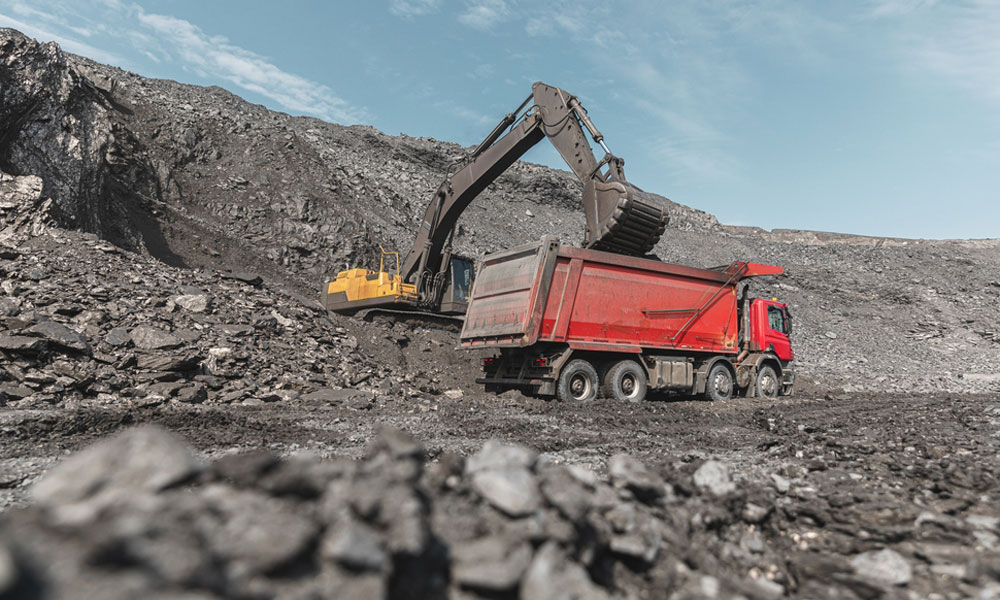
Road construction projects involve a wide range of operations and material-handling requirements, from excavation and subbase preparation to asphalt paving and the placement of sand and gravel layers. Selecting the appropriate tipper semi-trailer for each stage can significantly enhance operational efficiency, improve material handling, and help projects progress more efficiently.
1) Excavation and Road Base Preparation
At this stage, large volumes of soil, rock, and other heavy materials need to be transported. End-dump, or rear-dump, tipper semi-trailers are well suited to this work thanks to their high payload capacity and fast unloading capability. Their powerful hydraulic systems allow loads to be discharged quickly at designated locations, minimizing downtime on site.
Multi-axle configurations with reinforced chassis also help distribute the load evenly, reducing stress on the axles and trailer body and supporting safe, reliable operation under heavy loads.
2) Precise Road Base Preparation and Grading
At this stage, materials need to be distributed evenly across the road surface. Bottom-dump or hopper trailers are well suited to this application, as they allow materials to be discharged from the bottom in a controlled manner, making it possible to lay uniform layers at the required thickness.
These trailers also reduce the need for manual material spreading, helping road base preparation proceed more quickly and accurately.

3) Asphalt Paving and Granular Material Placement
For transporting hot-mix asphalt and fine aggregates, end-dump tipper semi-trailers with heat-resistant bodies or side-dump trailers are well suited to the job. Where sufficient space is available alongside the road, side-dump trailers allow materials to be discharged quickly and evenly, helping paving equipment maintain a continuous workflow.
4) Urban Projects and Confined Work Areas
For urban road construction projects and narrow or confined routes, shorter trailers or pup trailers are often more suitable. Their compact dimensions and high maneuverability allow them to navigate restricted access areas and unload materials in tight spaces without slowing down operations.
Selecting the right type of tipper semi-trailer based on the project stage and material being transported can improve speed and accuracy while reducing labor, fuel, and equipment maintenance costs. With high payload capacity, suitable unloading systems, and a durable design, tipper semi-trailers play a key role throughout the road construction process, helping projects run with minimal downtime and greater overall efficiency.