How to Become a Successful Truck Driver?
2025-02-17
Driving trucks and trailers is one of the most essential occupations within the freight transportation and supply chain sectors. Truck drivers routinely travel long distances and face a wide range of challenges, from mechanical and technical problems to demanding road conditions and ongoing maintenance requirements.
Many of these issues can result in vehicle breakdowns, increased maintenance and repair costs, delivery delays, and even serious road-safety hazards. In this article, we examine the most common problems affecting trucks and trailers, along with practical strategies for preventing and mitigating them. By understanding these issues and recognizing their early warning signs, truck drivers can make more informed decisions, reduce the risk of unexpected breakdowns, and operate more safely and reliably on the road.
Why Truck Drivers Need to Be Aware of Potential Semi-Trailers Problems on the Road
Awareness of potential trailer-related problems on the road is essential not only for protecting drivers themselves but also for safeguarding other road users and maintaining the safe and efficient flow of traffic. A thorough understanding of potential mechanical failures and road hazards enables drivers to anticipate risks, respond promptly and appropriately, and take preventive measures to reduce the likelihood of accidents and other serious incidents.
Moreover, familiarity with common road-related problems enables truck drivers to plan their journeys more effectively and adopt appropriate solutions when unexpected issues arise. The following section examines 10 common road-related problems that truck drivers may encounter, along with practical considerations for managing and preventing them.
1) Common Truck Engine Problems
The engine is one of the most complex and critical components of a heavy-duty truck, and any malfunction can result in vehicle downtime and substantial repair costs. Common engine-related problems include overheating, low oil pressure, and fuel injection system malfunctions, all of which can compromise vehicle performance and operational reliability.

Always check fluid levels and inspect the vehicle for signs of leakage. Regularly examine critical components such as the thermostat and radiator for any signs of wear or malfunction. Consistent engine inspections and preventive maintenance can help optimize vehicle performance, improve reliability, and reduce the risk of unexpected breakdowns.
Truck Engine Overheating
One of the most common engine problems in heavy-duty trucks is overheating, which can result from various factors, including a faulty thermostat, a clogged radiator, or leaks in the cooling system. Engine overheating can cause severe damage to internal components and, if not addressed promptly, may lead to extensive and costly repairs.
To prevent engine overheating, drivers should regularly inspect the cooling system and ensure that the radiator coolant level is adequate. Using antifreeze during colder seasons can also help maintain the efficiency and proper functioning of the cooling system.
Low Engine Oil Pressure in Trailers
Engine oil pressure plays a critical role in maintaining proper engine operation, and a drop in oil pressure may indicate serious issues such as oil leaks, a failing oil pump, or a clogged or defective oil filter. Insufficient oil pressure can increase friction between internal engine components, resulting in accelerated wear and potentially severe engine damage.
Drivers should regularly check the engine oil level and promptly investigate and address any unexplained loss of oil. Periodic oil filter replacement and the use of high-quality engine oil can also help maintain proper lubrication, reduce component wear, and support long-term engine reliability.
2) Truck Brake System Problems

The braking system is one of the most critical safety components of a heavy-duty truck, and any malfunction can pose a serious risk to the driver and other road users. Common brake-related problems include reduced braking performance, excessive brake-pad overheating, and malfunctions in the anti-lock braking system (ABS).
Driving with worn brake pads can significantly increase the risk of accidents, particularly for heavy commercial vehicles. Regular brake system maintenance, including checking brake fluid levels and replacing worn brake pads, is essential. These preventive measures help ensure that trucks and trailers remain safe, reliable, and efficient on the road.
Reduced Braking Performance
One of the most common brake system problems is reduced braking performance, particularly during long-distance travel or when carrying heavy loads. This issue is often caused by excessive wear of brake pads and discs or leaks within the hydraulic braking system.
Drivers should periodically inspect the brake pads and discs and replace them when necessary. In addition, inspecting the hydraulic braking system and ensuring that there are no leaks can help prevent serious brake-related failures and maintain safe braking performance.
Brake Overheating
Brake overheating is particularly common in heavy-duty trucks and trailers, especially when traveling down long or steep descents. Excessive heat buildup can reduce braking performance and, in severe cases, lead to complete brake failure. Proper cooling systems, combined with effective use of engine braking techniques on downhill grades, can help reduce the load and thermal stress on the braking system.
3) Suspension and Chassis Problems
The suspension and chassis systems of heavy-duty trucks and trailers play a critical role in maintaining vehicle stability and absorbing shocks and vibrations caused by road conditions. Common suspension-related problems include broken or weakened springs, loose fasteners, and structural damage to the chassis, all of which can adversely affect vehicle handling, load stability, and overall road safety.

Suspension Spring Failure
Suspension springs are designed to absorb road shocks and vibrations, and their failure can result in excessive cab vibration and reduced driver control over the trailer. This problem is commonly caused by prolonged wear, material fatigue, or mechanical damage to the springs.
Timely inspection and replacement of suspension springs, along with ensuring proper alignment and adjustment, can improve ride quality, enhance vehicle stability, and help prevent more serious mechanical problems.
Semi-Trailer Chassis Damage
The chassis is the primary structural framework of a trailer, and any damage to it can adversely affect vehicle performance, stability, and overall safety. Chassis damage commonly results from collisions, excessive loads, or improper load distribution.
Truck drivers and trailer owners should inspect the chassis regularly and promptly repair any signs of cracks, fractures, or structural damage. Proper load distribution and avoiding overloading beyond the trailer’s rated capacity can also help preserve chassis integrity and prevent premature structural failure.
4) Truck Tire Problems
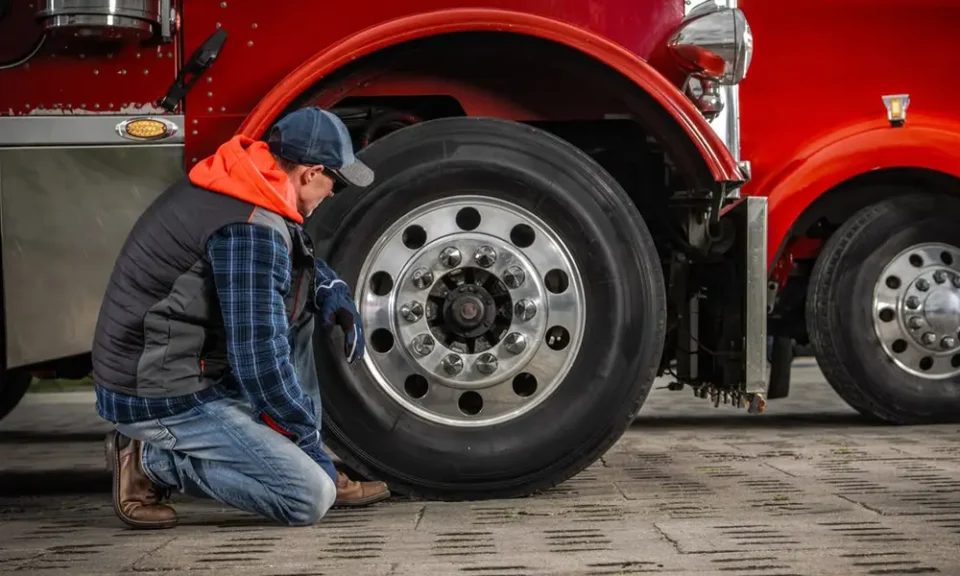
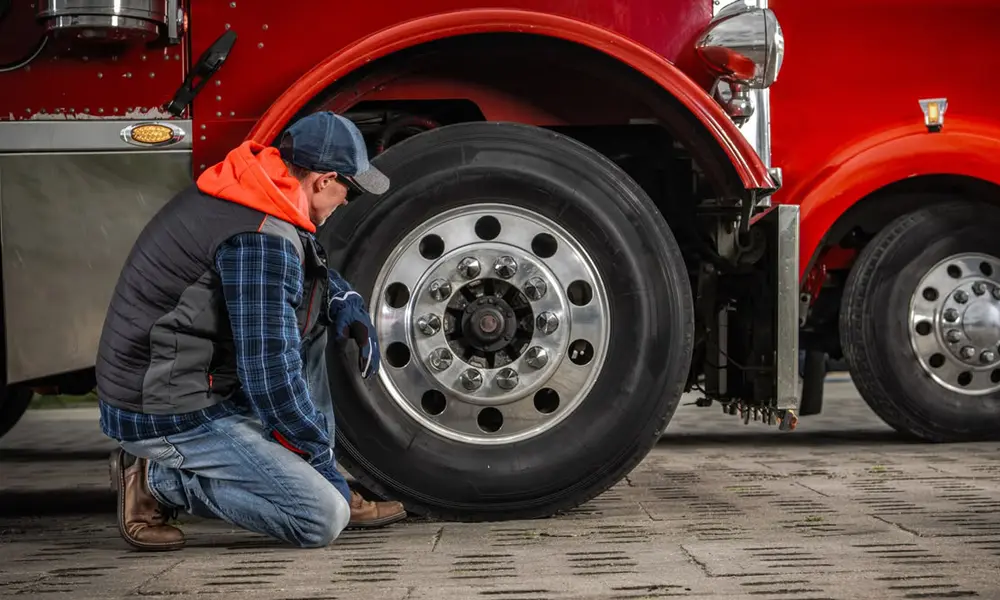
Tires and wheels are among the most critical components of a heavy-duty truck, and tire-related failures can result in serious safety risks, property damage, and costly disruptions. Common tire problems include uneven wear, cracking, and underinflation. To help prevent tire-related issues, follow these three essential steps:
Regular Inspections: Have your trailer inspected by a qualified mechanic or tire specialist before each trip. A skilled professional can identify issues such as wheel misalignment, insufficient tread depth, and other potential problems that could increase the risk of tire failure or blowouts.
Check Tire Pressure: Check tire pressure before and after long-distance trips. Both underinflation and overinflation can increase the risk of tire failure and blowouts.
Replace Worn Tires: Monitor tires regularly for signs of excessive wear, damage, or deterioration. Replacing worn tires at the appropriate time can help prevent more serious tire-related problems and reduce the risk of unexpected failures on the road.

Uneven Tire Wear
Uneven tire wear can result from improper suspension alignment, rough or uneven road surfaces, or uneven load distribution. This issue can significantly reduce tire service life and increase rolling resistance, ultimately leading to higher fuel consumption.
To prevent uneven tire wear, drivers should regularly check wheel alignment and balance and ensure that all tires are properly mounted and correctly fitted to the wheels.
Tire Cracking and Low Tire Pressure
Tire cracking and low tire pressure are other common issues that can increase the risk of tire blowouts while driving. These problems are particularly concerning in heavy-duty trucks and under high-temperature conditions, where excessive heat can further increase tire stress and the likelihood of failure.
Truck drivers should regularly check tire pressure and replace any tires that show signs of cracking, excessive wear, or other visible damage.
5) Electrical and Battery System Problems
The electrical and battery systems are critical components of heavy-duty trucks and trailers, yet they can be affected by a range of operational and maintenance issues. One of the most common problems is battery deterioration, which may result from adverse weather conditions, insufficient charging, or frequent use of electrical systems during long-distance travel. These factors can reduce battery performance and reliability, potentially leading to starting difficulties, electrical system malfunctions, or unexpected shutdowns of essential electrical components.
In addition, loose or faulty connections, corrosion on battery terminals, and charging-system malfunctions can lead to more serious problems that not only disrupt trailer operation but may also compromise transportation safety. Therefore, regular inspection and preventive maintenance of the electrical and battery systems are essential for ensuring reliable performance and safe operation.

Battery Failure
Semi-Trailer batteries typically operate under demanding conditions, making battery failure particularly common in extreme temperatures, whether hot or cold. A failing battery can lead to starting difficulties and may cause essential electrical systems, such as lighting and ventilation, to malfunction or become inoperative.
Drivers should regularly inspect the condition of the battery and replace it when necessary. Keeping the battery terminals clean and free from corrosion, while ensuring that all connections are secure, can also help extend battery life and maintain reliable electrical performance.
Lighting System Problems
The lighting system includes headlights, rear lights, and side marker lights, all of which are essential for safe operation at night and under adverse weather conditions. Malfunctioning or damaged lights can reduce driver visibility and make the trailer less visible to other road users, thereby increasing the risk of accidents.
Drivers should inspect the lighting system regularly and replace burned-out bulbs as needed. Keeping light lenses clean and free from dirt and debris can also improve visibility and enhance overall road safety.
Overall, operating heavy-duty trucks and trailers requires not only advanced driving skills but also a solid understanding of vehicle mechanics and maintenance. Common trailer-related problems can affect critical systems, including the engine, brakes, suspension, tires, and electrical components. Recognizing these potential issues and carrying out regular preventive maintenance can help reduce operating and repair costs while enhancing road safety. By understanding common mechanical problems and following appropriate preventive measures, drivers can minimize the risk of unexpected breakdowns, avoid costly disruptions, and ensure safer, more reliable journeys.